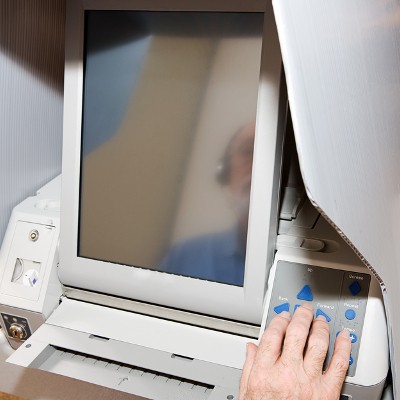






The ability to vote is considered one of the great rights in the world, putting one’s voice and opinion into action to shape history. However, it has been demonstrated that the electronic voting machines that some states in the U.S. use simply aren’t secure enough to ensure that the democratic process is preserved.
Tech Minutes
The 2016 United States presidential election was an ugly one for multiple reasons--chief among them the accusation that hacked voting machines could have altered the outcome of the election significantly. Thankfully, there are steps being taken to alleviate the worries that third parties might alter the outcome of such important events.
In October of 2016, the Federal Communications Commission designed a set of rules known as the Broadband Consumer Privacy Proposal. These rules had intended to flip the status quo and require Internet service providers (ISPs) to gain their customers’ permission before they harvested their browsing histories to sell to advertisers. This proposal is now moot with the establishment of a new law that passed through Congress and was signed by President Trump in April 2017.