Nowadays, social media companies have a lot of power and influence, which is part of the reason that so many of today’s largest businesses have adopted social media as a critical promotional tool. With the average person spending about two hours and 24 minutes on social media and messaging applications per day, this makes social media a clear opportunity for any sized business to embrace. Let’s consider a few ways this can be accomplished for these different businesses.
Tech Minutes
Compared to an enterprise corporation, a small-to-medium-sized business is going to have far fewer resources, especially in terms of its IT. Having said this, an SMB isn’t necessarily without a few quality options. Let’s review the needs that any business needs to have filled, and how they can do so with the right solutions.
In today’s highly competitive business environment, any advantage that you can claim will be useful to you. One big advantage you should seek to have is a trusted and reliable resource you can turn to so they can help you manage your IT solutions, consulting you on your business’ future in terms of its technology.
Small businesses often have to rely on different means to achieve the same level of project management as enterprises. This is due to the demands of project management being significantly different in scope, but also the way that your company implements new technology solutions. Instead of worrying about the specifics of project management, you can outsource these responsibilities to a managed service provider.
The modern small business will face several challenges in 2018. The world is changing, and with it, so is business. For many small businesses, this can either be looked on as the opportunity they’ve been waiting for, or, it can be viewed as the beginning of the end. No matter what situations you are faced with this year, understanding what problems your business faces, and how to solve them is imperative to your small business’ success.
December 14th is the last day that our government representatives can vote whether or not to continue the Internet’s protection under the net neutrality rules established in 2015. Without these rules in place, your data can be analyzed by your Internet service provider, and they are free to act on that knowledge and manipulate your Internet in support of their own interests.
While many different people open businesses, the primary reason that they all do so is to make money. A positive cash flow is essential if the business is to generate funds that support a cause or provide a decent living. However, to collect this cash flow, a business must have their invoices returned. As it happens, this doesn’t often occur in a timely manner.
In order for small businesses to remain competitive in this economy, there has to be the opportunity for them to participate as a viable competitor. This is the goal of a United States bill that has passed through the House of Representatives and is moving forward to be voted on by the Senate.
Without competition, there would not be businesses. However, this competition needs to be fair in order for small businesses to embrace new opportunities that arise. A U.S. bill that allows for both of these goals has passed in the House of Representatives and will be voted on in the Senate.
Vince Lombardi, one of the most successful head coaches in NFL history, once said “If you are five minutes early, you are already ten minutes late.” Although it wasn’t its intended use, this quotation can easily apply to technology. The tech industry is constantly changing, improving, and innovating. Adapting to changes is something all businesses must do to thrive, small and medium businesses included.
Artificial intelligence is becoming more and more accessible to businesses of all sizes. In fact, it is swiftly becoming apparent that businesses that aren’t actively considering how to leverage AI in their processes are doing themselves a disservice.
The concept of deferring to an expert is not new, especially in terms of running a business. If your business encounters a problem in its plumbing, you call in a plumber. When it comes to your business’ IT solutions, there are professionals who can help with issues there as well: IT consultants.
The small business is under siege. Many small business owners do what they can to compete, but it seems like there is no solution for their revenue woes, as larger organizations are able to attract a larger part of the market share. This has been the case for some time, but there are market forces at work today that make it even more difficult for businesses to contend with competitors that have more resources.
Many smaller businesses look to a niche market for sustainability; and, while this seems like a decent strategy on the surface, if demand falls in that niche, you could quickly be faced with some very disheartening questions. Other businesses decide to forgo this strategy and continue as intended, relying on their people’s expertise or experience to guide them through rough patches in business. This is a great strategy until your larger competitors pilfer your organization’s talent with offers of more pay and better benefits.
The truth is that there are no easy answers on how to sustain a small business through turbulent times. For this reason, one avenue almost any small business can venture down is to make improvements in technological resources to try and mitigate the gaps in financial and productivity deficits. Technology, if leveraged properly, can build additional efficiency to your offering, making business move faster. The problem for the modern small business owner or manager is ascertaining what technology investments make the most sense for you.
Where Do Mobile Devices Fit?Mobile has been a popular discussion point in every technology-of-the-future discussion for the past ten or twelve years. This means that the future is now for mobile and while there are a lot of things to love about mobile devices, for small businesses they may do more harm than good. For the small business that has already covered their bases with a thorough mobile device management platform and a BYOD strategy, leveraging the positive attributes out of mobile will be simpler than those who are starting from scratch. Of course, it’s easier to build a bridge if you’ve already procured the materials you need, but without some idea of what you’ll use it for, what’s the point?
For a small business, mobile devices can have some positive effects on employee engagement, awareness, and for cultivating the relationships you depend on. On the other hand, mobile devices can be a hopeless waste of time, which just happens to be one of the most critical resources to manage for the small business owner. With well over 90% of a smartphone’s utility wrapped up in distractions, it seems like that is an endless amount of monitoring and management for a very little return. As long as your organization has clear rules in place to manage data dissemination, access, and communication, mobile will continue to work for your business. But, if you are just getting on the mobile bandwagon, be sure to create your mobile policies before relying on mobile as a way to build more revenue.
While news sources might lead the layman to believe that most issues facing the typical SMB come from cyber criminals lurking online, the reality is far less dramatic. However, this misconception makes these issues no less serious, and still things to prepare for. Let’s review some of the most common causes of technological issues in the office environment.
Does your SMB have an internal IT department? Chances are that it is a major pain point for your organization, and even if you do have one, it might be bogged down with so much work that mistakes can happen and threats can slip through the cracks. Sometimes the best way to protect your network is to know where and how threats manage to get there in the first place.

Most small and medium-sized businesses aren’t new to IT. For the past 15 years or so, SMBs have been attempting to keep up with their larger competitors through the implementation of technology systems. They’ve instituted computing systems from servers to workstations to mobile devices, peripheral technologies like fax machines and copiers, “state of the art” networking technology, and all other sorts of tech, just trying to keep a leg up on their competition.
As expected, mobile technology is a consistent part of daily business operations for many companies around the world. Employees love taking advantage of the mobility these devices offer, making their home office just as useful as their in-house workstation. However, a mobile device management solution needs to be strictly adhered to in order to optimize security and guarantee that a stray smartphone doesn’t expose your data to unexpected eyes.
It’s important for a business to be connected with their community. Even if you have a global market, it’s still important to invest in the city you’re headquartered in. It’s where you and your employees live, and if you can build relationships and connect with other organizations in your community, only good things can come from it.
Here are three easy ways your business can become more involved and respected within your community.
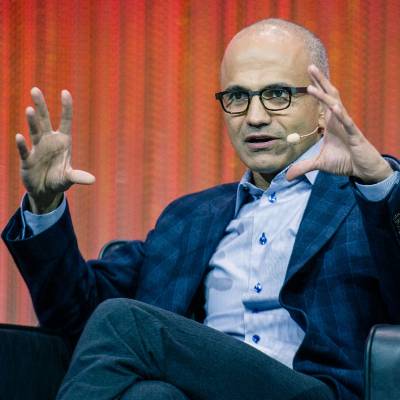
The CEO baton at Microsoft has been passed from Steve Ballmer to Satya Nadella, making Nadella the third CEO in Microsoft's well-publicized history. You may not think that this will have an impact on your business, but considering how intertwined Microsoft is with the the global economy, you may be surprised to learn that this move will affect your company.
You may have realized that marketing and advertising tactics are shifting toward reaching mobile leads. Even superstar companies like Google and Facebook are delegating more marketing dollars to their mobile marketing budgets after a discovery that nearly one-fifth of Google's revenue comes from mobile searching. Here are three ways your company can start up your mobile marketing initiative.

For most small business owners, your average week includes several moments where you look at your expense sheet and search for ways to cut costs and improve the profitability, and thus, the sustainability of your company. Around the holidays, when business picks up for everyone, some small businesses run into problems that stunt their net profitability. The inability to spend the money that larger companies can, will often result in handcuffing a business' ability to compete.

As a business owner, your business is your baby. Therefore, it's easy to take it personally when a customer says something negative about your company. It feels kind of like a stranger calling your newborn baby ugly. Don't overreact to negative opinions by overhauling your business model; you can actually use negative customer feedback to your advantage.
Upgrading your network and shopping for new technology can be a daunting task. Technology is expensive and it's an investment that will help your business grow, but that's only if you purchase what you need. A poor technology purchase can actually be a budget buster. To maximize your new technology purchases, it's worth it to partner with IT professionals.
In a recent economics survey of small to medium-sized businesses by Oxford University, it was discovered that two-thirds of companies believe that technology is the key to transforming their business in order to "achieve longevity and sustainable growth." This survey reveals a lot about how businesses worldwide feel about technology. Does your business identify with any these trends?
You don't need us to tell you that running a small business has its inherent difficulties. There are all types of factors that could literally destroy everything that the hardworking people in your organization have accomplished. The problem is that these situations aren't limited to just disasters such as flood or fire. Below are three factors that may wreak havoc with your small business in 2013.
Everything feels extra difficult for small businesses. Technology makes things easier; yet technology costs money, and the lack of money tends to be at the root of every problem for businesses of all sizes. Big businesses can afford the best technology, which is one reason they do so well. We level the playing field by making big business solutions affordable.
Many small businesses are switching their phone systems to Voice over Internet Protocol and seeing dramatic savings over traditional phone plans, especially when it comes to long distance charges. Once the switch to VoIP is made, small businesses are discovering there are more benefits to VoIP that make their business appear bigger and more professional!
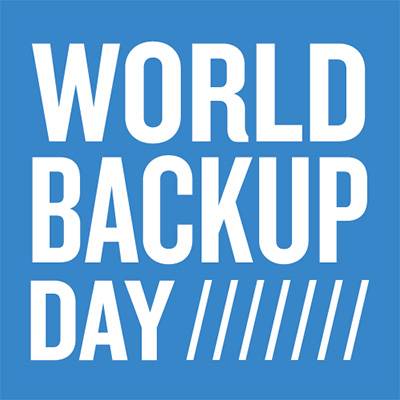
Don't be an April Fool. Data backup is extremely important for businesses. If your data isn't backed up, or your backup solution isn't properly tested and maintained, your data could be at risk. That's why March 31st is World Backup Day! Check out and share the infographic and ask yourself, what would you do if you lost everything?
Every generation improves the technology of the previous generation. Sometimes technology can improve at such a rapid rate that it can make other technologies obsolete. It takes a bit of know how to determine which technologies will last and which ones are just fads. We are here to help you make sense of all of these rapid changes.
We are not guaranteed a life without problems. Problems will happen and your plans will be ruined (okay, it's not ALWAYS that bad!). While you can't totally eliminate problems from life, you can greatly reduce them by being proactive. This proactive problem solving approach also works great with technology!
Computers have been designed to be easy and intuitive to use. Just about anybody can figure out how to open files and browse the Internet, but PCs are still complicated machines that require technical knowledge to fix and maintain. When it comes to the technical stuff, it's better to leave it to the pros.
Procrastinators of the world unite... tomorrow! Many people who feel the constant and crushing pressure of deadlines, and who have a habit of being late with deadlines, would identify themselves as procrastinators. Stanford professor John Perry has discovered a method to use procrastination as a tool to get more done, he calls this structured procrastination.
Every enterprise, whether it is a successful one or not, has to deal with its fair share of adversity. One of the most rampant difficulties a business is forced to deal with is the necessary ability to secure prompt payment for the goods and services it provides its customers. For small and medium-sized businesses, or even one-man bands, they likely do not have the deep pockets many larger organizations have. Not being able to timely collect income can make sustaining business operations all but impossible. With remote payment applications that are now available for mobile devices, collecting crucial revenue at a mobile point-of-sale is making collecting that is money easier.
Everybody has a weakness; Superman has Kryptonite, the Wicked Witch of the West had water, and the Death Star had a womprat-sized exhaust port. Character weaknesses make for solid storylines because they drive conflict. Your company has its own set of vulnerabilities that you may not know about, and unlike stories, conflict in business is not a good thing. Here are a few of the lesser known IT weaknesses, and what you can do to resolve them.
Despite having more paperless solutions at our disposal, it looks like offices will always have the need for a printer. Maybe you are not quite ready to take the great paperless leap, but you can reduce the amount of resources and power consumed from using your printers with the help of a print server solution.
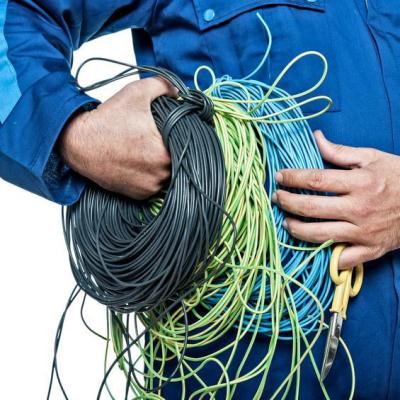
Business growth is a double edged sword. It is great that you are increasing revenue, but you now have to deal with growing pains. These growing pains are often felt with your technology. Is your network cobbled together with random computers and your wires are one big tangle ball? Directive can help relieve these IT growing pains with network mapping.
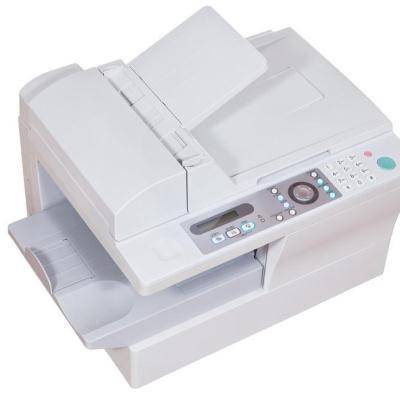
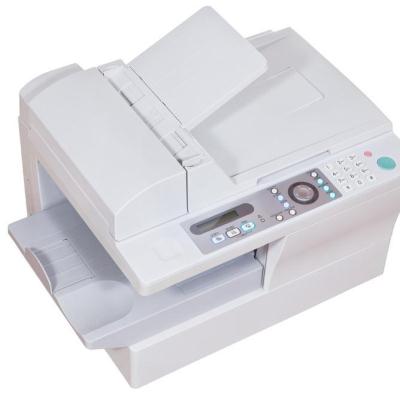
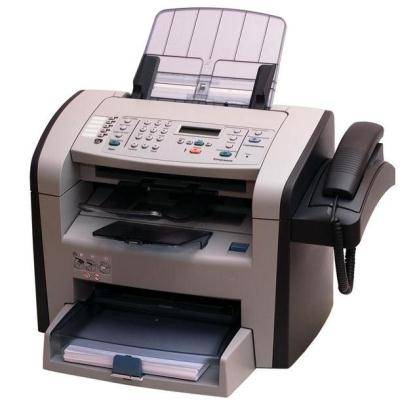
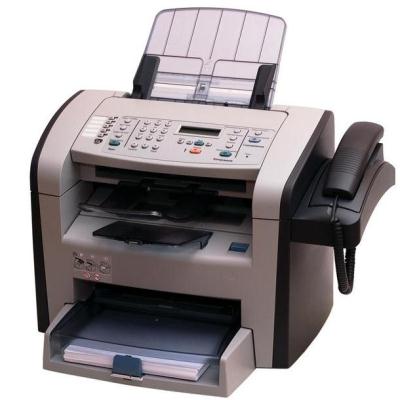
It always feels a bit peculiar to come across a fax machine still being used in the modern office. With all of our digital advancements, the fax machine should have gone the way of the floppy disk. Contrary to common sense, it is estimated that there are 131 million fax machines still in operation around the world.
In business, you will gladly take every advantage that you can in regards to communications. This is because better communications will positively impact everything you do. Switching your phones system from a traditional carrier to a Voice over IP (VoIP) internet solution will not only give your business a communications edge, but also save you 50-70% on your phone bill.
You are confident that your employees are good at problem solving, this is why you hired them. Your staff may even thrive on finding solutions with limited resources and keeping operations within budget. It is wonderful that you have surrounded yourself with skillful people, but using your bright staff to fix an IT problem may hurt your business in the long run.
Does it sometimes feel that business is going well, yet your bottom line is taking a hit? If time is money, then downtime is anti-money, and downtime may be your biggest budget buster. To help you determine exactly how much your IT downtime is costing you, we have two mathematical formulas you can apply to your business.
In a 2012 Wrike.com surveyed 1,074 workers, 83% of respondents reported working at home for at least part of the workday. Chances are, you have employees working at home, and they are loving it! In fact, employees enjoy working at home so much 78% would forgo free meals, and 25% would accept a reduction in salary, just for the opportunity to work at home!
If Back to the Future's Marty McFly time traveled to the modern office, he would probably feel a little disoriented. He would see employees squinting at little televisions, mobile devices right out of Star Trek, and no rows of file cabinets. Then Marty would notice a fax machine and feel right at home, because fax machines have been around forever.
Are you looking for a new computer service provider? Deciding on a company to handle your technology is a choice that carries a little more weight than let's say, switching your cable provider. You are essentially giving this new computer company access to all of your company's sensitive information. No pressure!
For small and medium businesses, attempting to fix your own computer issues can do more harm than good. It may seem like having to pay for IT services is an unnecessary expense, especially when you have a somewhat tech savvy employee who seems to know what they are doing. It may be an expense now, but it will save you thousands of dollars in time and money in the long run.
Does it seem like every day your network is suffering from a different issue? How about the same old issues that keep coming back? Think about how much time is wasted every day while you and your employees have to cope with viruses, malware, and oddball technology issues. What if we told you there is an easy solution that will eliminate 99% of these problems?
Technology is changing quickly and businesses are seeing a wide variety of options replacing traditional IT methodology that is driving change and productivity to businesses of all sizes. It's getting easier to take work with you with mobile devices and hosted services, but are these just expensive new toys or do they provide serious benefits to businesses?
Business owners, this one is definitely for you. You've probably experienced the fact that shaving expenses here and there can lead to more flexibility and long-term savings, but at what cost? Are you limiting your company by nixing those extra services and costs? Sometimes you can get more and still save money. Let's look at a few ways Upstate New York businesses can do just that.
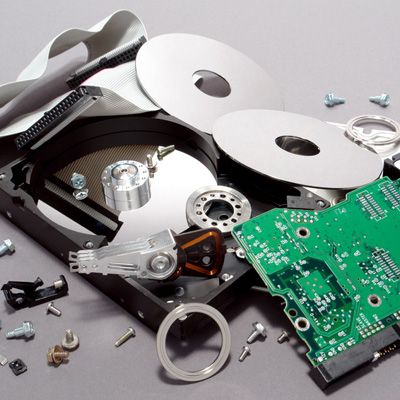
If you've been using computers for a while, then there has probably been at least one point in your life that you've lost data. Maybe it was something you were working on when your computer crashed, or maybe a disk failure wiped out some data. Does this bring back memories of frustration and angst?
There has been a growing trend where businesses are allowing more employees to work from home or other remote locations. Technology makes this possibly by letting users remote into their work environment securely as if they were sitting at their desk at the office. VoIP phone solutions can even bring the worker's office phone to them, no matter where they are.
At Directive, we hate seeing our clients suffer from slow computers, bogged down networks, and other computer issues that prevent work from happening seamlessly. That's why we are so passionate about proactively safeguarding your network BEFORE issues happen, in order to prevent expensive downtime.
Is staying in business important to your company?
We don't want to be sensationalistic here, but there is a serious real-world link between data loss and staying in business. Let's look at some statistics.
Nobody wants to spend more than they have to, especially when it comes to those necessary evils like bills, utilities, insurance, and the general costs of keeping things running smoothly. At Directive, our goal is to provide outstanding enterprise-level solutions for small business prices. Let's talk about a few ways to cut long term IT costs.
When you mention the term 'disaster recovery,' most people think about the big ground-shattering events like earthquakes, fires, floods, tropical storms, etc. While these natural events are certainly disasters and devastating in their own right, smaller things can constitute as a disaster for your business, and they aren't seasonal.
Let's get theoretical here. Let's say your friend Hank suffers from chest pain. It could be nothing, but chest pain isn't something you want to mess around with, so you suggest that Hank goes to a doctor to get it checked out. There are certain things in life you don't just let happen without getting an assessment to make sure they don't turn into bigger issues, right? Your business's IT security is one of those things.
Controlling and managing a big network with multiple servers is no small endeavor, especially keeping them maintained. On top of that, software licenses, warranties, user permissions, and security all need to be managed and controlled. As your business expands, you may need more servers in order to perform certain tasks ranging from email, file distribution, specialized software, and security management of various levels. Pretty soon your server room is beginning to look like a cramped mini data center and you need to worry about controlling the heat and maintaining multiple high-priority, mission critical machines. There's got to be a better way, right?
Tablets are definitely becoming a staple in the consumer electronics world. For the longest time, the tablet PC was an expensive, clunky device that just didn't wow consumers. Some businesses had adopted tablets back in the day, but they were difficult to use, hard to support, and they simply didn't perform for the price tag. However, like many consumer electronics, Apple reinvigorated the tablet market with the original iPad, and now it would seem tablets are here to stay. The question is, are they right for businesses?
Business owners and executives aren't always chained to their desk. Sometimes opportunities take you out of the office, out of town, and on the road. Traveling to vendor shows, conferences, training, expos, or even hitting the greens for a few days doesn't mean you need to be totally inaccessible. It's becoming increasingly simple to for the traveling business person to stay connected and get things done even when not at the office.
Voice Over IP phone systems add a lot of great features that businesses can take advantage of, and are improving the way companies are using their voice communication. Besides the fact that supporting older analogue phone systems is becoming increasingly harder as technology carries us forward, here are 7 reasons why Upstate New York businesses should switch over to voice over IP.
You are an expert in your field, right? Whether you sell a product or commit to a batch of service offerings, you know your job and you know it well. We're guessing you have some great employees who know their job well too, right? You hired them because of their drive, interest, and possibly knowledge in the field (or you spend plenty of time teaching and training them). So when someone's computer goes down, why should they waste their time trying to fix it?
As a business owner, if you've ever looked into training seminars, you've probably been taken back by the price. Your industry likely has a whole slew of organizations dedicated to business training, and there are often training courses on specific software packages you use in your day-to-day line of business. Your employees may know full-well how to do their job, but are they doing it as effectively as possible in order to drive business forward?
Businesses these days depend on having reliable, fast desktop computers. The trouble is, these high-end desktops offer plenty of resources that never get touched, making them underutilized. Huge hard drives and extremely fast CPUs mean each desktop has more capabilities than most users will ever tap into.
Here's a scenario: Tom's computer is acting up and getting a blue screen error a couple times a day. Obviously this is a problem because it drastically cuts into Tom's efficiency. Tom is a smart guy though, so his manager asks him to see if he can fix it before calling support and putting in a ticket. After all, tech support costs money. Tom spends about 4 hours across the next few days researching the issue, attempting a few things, and finally fixes it. Way to go Tom! You just saved the company money... or did you?
One of the questions we get fairly often is what are the benefits for a small business switching to a managed IT service as opposed to a break-fix-style relationship. When a new client calls upon us to resolve an issue or organize an IT project we talk to them about our proactive managed services, and often we get a reply like "Well we love your service, but we'll just call you when something is broke." Managed services offer a lot of stability and benefits for small businesses. What exactly can switching to a proactive managed services agreement with your IT provider do for your business?
Facebook, the enormous social network that shouldn't need an introduction for anybody, has been a fantastic way for small businesses (and major corporations and brands, and just about anyone else) to promote themselves. If you haven't established your company on Facebook (which is free, by the way), a new offer from the social network might help sweeten the deal.
Security is an important aspect to a company's continuity, and while portions of business security involve things like anti-virus and firewalls, other aspects of security can't be handled by a piece of equipment. In these cases, your organization needs to create security policies, and keep them up to date as the company grows and changes. There are many policies and sub policies that are necessary for any organization that, if non-existent, can cause chaos down the road.
Software is expensive, especially business critical software. On top of that, as a small business expands, more software licenses need to be purchased for new employees. Organizations such as the Software & Information Industry Association and the Business Software Alliance are always looking for businesses that are guilty of stealing software, and businesses that get busted get hefty fines exponentially higher than the price of the software licenses.
In today's IT industry, downtime can have a huge impact on your company's bottom line. When system downtime occurs, whether it affects an individual employee or the entire company, it means lost money. The definition of the term "downtime" is very ambiguous, although at Directive we consider any issue where an employee can't do their job properly due to technology not being available to be downtime. Even though an application may be up and running, it is essentially "down" to a user if the application can't be used no matter the reason.
Last time, we blogged about whether or not social media and personal Internet use was a bottleneck for employee productivity. Let's not look at the Internet as a fundamental time-waster or a necessary evil. After all, the Internet has changed the way companies do business. This time we're going to investigate if your Internet is keeping up with your company.
For some small businesses around Upstate New York, administrative IT tasks and computer support are done the old fashioned way; either over the phone or on-premise. These traditional methods are a major waste of time and money, and can lead to plenty of unproductive behavior very quickly. Today we're going to examine how remote technical support can benefit businesses.
2011 has been a busy year for security experts worldwide. Major corporations have been reporting harmful attacks by hackers. So far, technology news site CNET has reported over 80 known major hacks since March that have been publicized. The publication of these hacks is inevitable, especially when user-data, contact information, and credit card information is at risk, and that publication can easily cause a PR disaster which can take loads of time and money to rectify (and in some cases, just can't be rectified). The big questions are who is at risk, are Upstate New York small businesses at risk, and what kinds of IT solutions need to be deployed to prevent data-theft and other intrusions.
It's the start of the 2011 hurricane season, and with Hurricane Irene making contact with Atlantic coastlines this week, it certainly doesn't hurt to make sure your business is prepared for a disaster. Even if you are lucky enough to not be affected by these devastating storms, there are plenty of opportunities for nature to cause havoc on our way of life. It's never to late to put together a Disaster Recovery Plan (alternatively known as a Business Continuity Plan) in case a natural (or otherwise) disaster were to occur for you. Nobody wants to think a disaster might happen, but it isn't impossible. Here are a few steps small businesses can take to become better prepared.
At the beginning of the month, Microsoft officially launched Office 365. What makes this Office different from the other Office suites that Microsoft has released is that Office 365 doesn't run on your computer, it runs on a cloud server. All of your data is stored securely in the cloud on Microsoft's servers. This is great for smaller Oneonta businesses that need to access their files from anywhere but don't currently have the infrastructure in-house to make it happen.
You've probably heard of cloud technology. All the big names in the technology industry are talking about it; but for a lot of people, it's still just a buzz word. Microsoft has been pushing the idea of a cloud for a while, with a couple sitting at an airport waiting for a layover, with the end result being that the cloud ceases their boredom by letting them stream movies from home. What exactly is the cloud and why does it matter for businesses?
Virtualization isn't new for small businesses, some companies have been enjoying the benefits of server virtualization for many years. However, the concept is new to other growing organizations. Virtualization allows you to consolidate the number of servers you have in your company using one of several virtualization packages. Let's take a look at a few major reasons to consider server virtualization.
For a small or midsize business, technology budgets are naturally fairly slim. It goes without saying that a company needs to get the best bang for their buck with their IT infrastructure, and it's not uncommon to see workstations and other devices still in play years after their prime. This leads to underperforming technology, which in turn, limits what your bottom line can accomplish (remember, your team is only as good as your worst player). Some small businesses are approaching technology in ways that would normally be reserved for HR's interactions with employees, but they are finding that this can improve performance.
Small business owners are discovering they don't need to be chained to their desk to use their computer, and are finding it much easier to be productive with the ability to take their workstation with them where ever they go. The concept isn't new, but the trend hasn't caught on for a lot of small businesses. Business owners who have ditched their desktop for a laptop have a whole world of benefits. Let's take a look at what some of those benefits are.
We're in an interesting era. Consumer electronics have been changing the way we communicate, socialize, and get things done. We've all experienced a recent huge evolution in the communication world with the explosion of mobile phones, with more than 4.6 billion mobile subscribers worldwide. Our technology is getting smaller and much more capable, but does that mean we'll be moving away from the typical computer-and-desk to get most of our work done?
Has waiting on a signature ever brought a project to a halt? A major way to simplify the signing process and get those contacts and other documents signed and delivered faster is by utilizing e-signature technology.
At many businesses, if you look in the waste bin or the recycle bin, you'll probably find a lot of paper. Paper is one of the most common waste products at businesses and as such is also one of the biggest sustainability opportunities for businesses large and small. The environmental benefits are great, but going paperless has some huge benefits for small businesses beyond being green.
Who isn't looking to spend a little less or get more out of their current investments? The costs of day to day business for small businesses need to be within budget, but you still need to give your staff the tools they need to get the job done. Here are some tips for cutting costs without making big sacrifices.
Telecommuting (also known as working remotely) is where some or all of your staff have the flexibility to work in the location of their choosing (and in some cases, the hours that they choose). Not to be confused with freelancing, telecommuters are dedicated employees who work under a management style geared towards the final results (as opposed to how the work gets done). While telecommuting isn't for everybody, it is often practiced. Microsoft is well known for having certain positions where the employee spends most of their day in a coffee shop working remotely, and that trend certainly doesn't stop with the big M.
Today, small businesses that go green and take action towards reducing energy consumption, waste production, and apply sustainability concepts benefit from a lower cost of day-to-day business. Being green looks great for investors, employees, and consumers alike and can contribute to press and media attention. That sounds great, right? Unfortunately, like most things, going green isn't something you can do over night. It takes time, dedication, and sometimes, a little bit of investment. Hit the jump for some tips to go green with your business.
Want to get more done in a days time? We all do. If you are a business owner, it is likely you'd love to see your employees get more accomplished during the course of the day. There is a lot that can be done to make your time more efficient (that is an industry all on its own!), but one very frustrating cause of lost productivity is faulty technology. The most overlooked culprit? Slow computers!
Hit the jump to see our analysis of what workstation slowness can cost your company.
As you may know, Sony's online gaming service, the Playstation Network, has been getting a lot of media coverage lately due to a major attack by hackers last month. Sony is a massive global company with billions of dollars and stockholders and spans multiple industries, but even a giant can teach us all a lesson that relates to our comparably small-fry organizations.
Veterans to building and running small and medium-sized businesses probably know about the huge initial start-up costs. A small business needs to consider investing in all of the necessary infrastructure, from things like desks, chairs, computer equipment, security devices, break room appliances, heat, air conditioning, a website, marketing materials… the list goes on. Today, small businesses are finding new ways to streamline and reduce the costs of getting started. Hit the jump to see a few ways small businesses are cutting high start-up costs.
We'd really like to gear this conversation towards the other Oneonta business owners out there who might not have a solid plan when it comes to IT & Computer Support. At DirectiveSHORT, we deal with a lot of the same business-related issues that our clients do. Marketing, driving the business forward, taxes, internal policies, you name it. Believe it or not, we also have our own IT infrastructure that needs to be kept up and maintained. We see the same kinds of expenses (after all, working on our OWN technology internally is time our techs could be doing their jobs). We've put together a few big mistakes that we've seen businesses make that take much less effort to prevent than they do to fix later on when it is too late.
Microsoft Office still holds a very strong position in the small business world despite some serious competition from Google, who boasts having their software package hosted online. The latest incarnation of the Microsoft Office suite, named Office 365, is designed to rival Google's offering. Today we're going to talk about Microsoft's hosted productivity software and see what the pros and cons are for small businesses.
You are running a business. You don't want downtime, you want your email to be as reliable as the sunrise. Google Apps has been adjusting their service level agreements over the years to accommodate to the high demands of the millions of businesses that use their productivity software each day.
Before we talk about that though, I wanted to share an announcement Google recently had. In 2010, the Gmail email service, which provides both free consumer and business email services globally, was available 99.984% of the time. That means about seven minutes of downtime per month on average was experienced in 2010. According to Google, the seven minute average comes from a lot of tiny delays that normally consisted of a few seconds a shot. Most users experienced no issues, and in the rare case they did, a few seconds of delay is pretty easy to miss.
I'm sure nobody has missed out on any of the storms happening here in New York. Even our lights have been flickering. Mother nature can be cruel to your IT; a well-placed bolt of lightning can do plenty of damage. Of course, we always recommend quality UPS systems to our clients to protect their most valuable tech, and good surge protectors for everything else (not power strips, mind you, they aren't the same). Regardless, whether there's a risk of the power going out or not, it's important to save often and keep your files backed up. Here's a few tips after the jump.
Believe it or not, IT companies like DirectiveSHORT work a lot like other businesses. We have many of the same needs in our business; from accounting to organizing data to marketing ourselves. As an IT company, yes, we can manage your workstations, servers, and network, but there are other solutions we have up our sleeves that our clients can take advantage of, that just make sense for an IT company to provide, no matter what.
What a weird post this is going to be. We've recently launched a software application called JoomConnect. It's been having some great success. It's in part responsible for bringing a lot of work to our small company bringing our staff from 9 to 17 strong in a very short time (7 of them in 60 days). It's been awesome and we've been training and getting everyone up to speed. We have been super impressed with the new members of our team and we'll be introducing them shortly (soon as we can catch our breath).
We are working for some of the industry greats, like ConnectWise, HTG Peer Groups and many incredible IT/MSP Partners that have adopted JoomConnect for use in their businesses as well as our awesome local clientele.