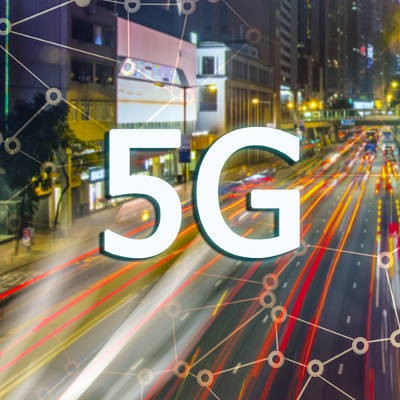
You might see 3G and 4G on your mobile devices and wonder what it all means. If so, we have an answer for you, and just in time for a brand-new iteration: 5G. With this new technology on its way, it’s time to take a look at what exactly 5G should be capable of, and how it can differentiate itself from its predecessors.
Tech Minutes
At the International Consumer Electronics Show (CES), new products (and the technologies that fuel those products) are put on display to give industry professionals a look to see what companies are working on. At CES 2018, held in Las Vegas, Band and Olufsen introduced their speakers-as-art-concept, Samsung unveiled a 146” television that is designed to take up a wall, and many companies, including Aura, introduced new smart home security products that are sure to get an intruder’s attention (over Wi-Fi).
How would you like to be able to charge your smartphone by simply walking down the street? Or to be able to turn the tie you’re wearing into a voice-recognition security system? Thanks to a team at Michigan State University, these abilities may not be so out of the question, as they have developed a promising little device that could be used to achieve these goals and many others.
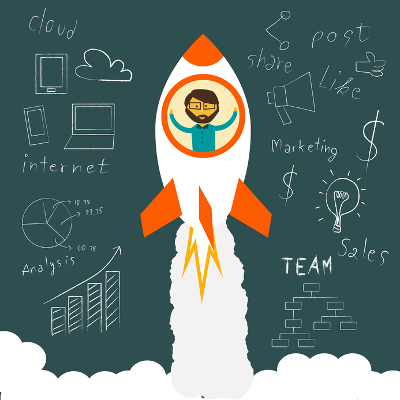
New technology paves the way for businesses to leverage their resources in exciting ways. Of course, it’s impossible to take advantage of these benefits if you don’t even know these new technologies exist. Therefore, to help you achieve an edge over your competition, consider how these four new technologies can enhance your business model.
Smart Virtual Personal Assistants (SVPAs)Think of SVPAs as virtual executive assistants. These "predictive intelligence" apps use voice recognition to sort through personal data from email messages, address books, calendars, and task lists in order to anticipate the next logical step and drastically boost daily efficiency. Apple, Google, and Yahoo all recently acquired SVPA apps to integrate into predictive products, from mobile apps to smart speakers, helping users get tasks done even before they would remember to do it otherwise.
Security and Privacy SolutionsA perennial on Webbmedia's list, privacy concerns remain top-of-mind for wired Americans. According to a Pew Internet and Society poll, 91 percent agree that consumers have lost control of their personal data. Adobe, Dropbox, and Snapchat have experienced major password breaches, and Target and Home Depot had credit card data from millions of customers stolen by hackers. To address these system breaches and reduce the widespread public mistrust, companies are looking to spend more resources on password security and encryption management. To assist with this, Twitter released Digits, a two-way authentication service that sends one-time confirmation codes via texts, which will be offered to mobile apps.
Internet of ThingsThanks to the Internet of Things, the world we live in is now surrounded by an unprecedented number of devices with the ability to communicate directly with one another, similar to how the Nike FuelBand connects to the coffee maker. These devices will become a vital part of our day-to-day home, work, travel, and shopping experience. The implications on how IoT devices can enhance the productivity and connectivity of businesses as only limited by imagination and the ways that these vast networks can be secured.
Collaborative SoftwareLooking to make the workday more efficient, a new slew of services combine the best of email, instant messaging, social media, and cloud storage into one platform for collaborating with co-workers. Salesforce's Chatter and Microsoft's Yammer are currently two top players in this space, and with the launch of apps like Facebook for Work, the race to further socialize the office is far from over.
The 1990s were a golden time of technology with VHS, floppy disks, and beige computing hardware aplenty. Back then, learning of new technology shortcuts was totally rad. Although, looking back, many of these cool tech tips are now obsolete. Yet, they still hold a special place in our hearts. Here are some of our favorite technology tips from the ‘90s. Which ones do you remember?
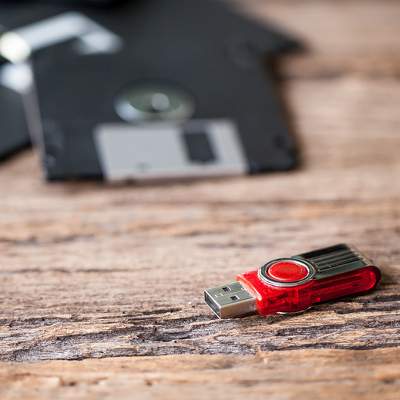
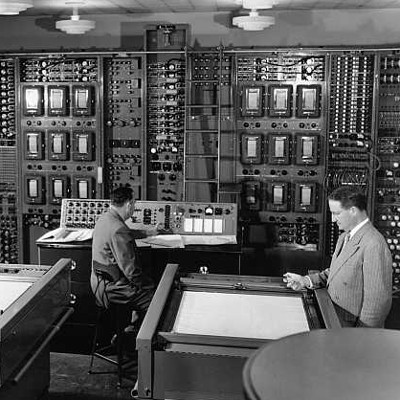
Data storage is such an important part of today’s business environment, but when was the last time you took the time to consider technologies that came before? Technology that exists today couldn’t possibly have existed 50, or even 20 years ago. How have the leaps and bounds made in the tech industry affected the status of data storage, and what does this trend mean for small and medium-sized businesses?
Every time that you purchase a new piece of business technology, you’re faced with a choice: go with a product that’s been around for awhile, and thus, is cheaper, or pay a little extra for the latest solution. We like to encourage business owners to go with the latest tech because it saves them money in the long run - an IT concept known as “future proofing.”
By its nature, technology is always changing, evolving, and moving forward. Organizations that understand this and plan for these changes end up making the most out of their technology. Those that don’t, get left behind. Here are three ways to make sure that your company’s technology will best serve your future needs.
Your business’s wireless Internet connection is one of its most valuable assets, and without it, your operations would surely suffer. Your wireless technology, like smartphones, tablets, laptops, and even your network depend on it in order to function properly. WiFi is known to be pretty inconvenient at times due to questionable connections and security, but a new technology wants to change all of that: Li-Fi, wireless Internet connections delivered by special light bulbs.
With technology being so important in the modern office, there are thousands of gadgets produced each year that are designed to work with existing technology to deliver marginal-to-significant increases to an individual’s productivity. Each year, many of these gadgets fail in some way or fall out of public consciousness quickly, becoming nothing but the answer to a trivia question a decade from now at your favorite watering hole.
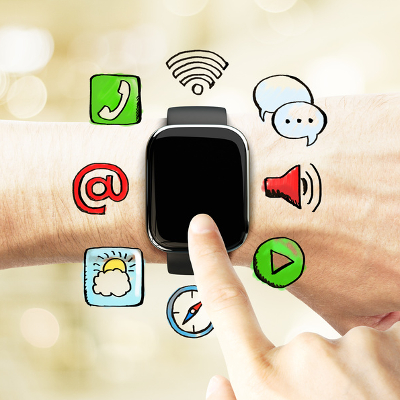
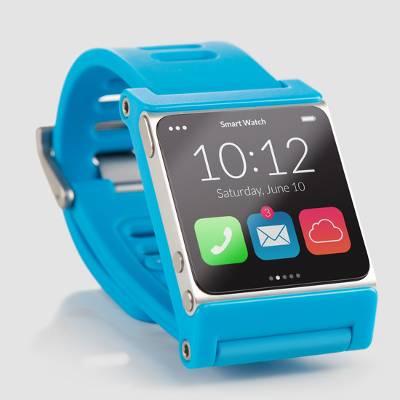
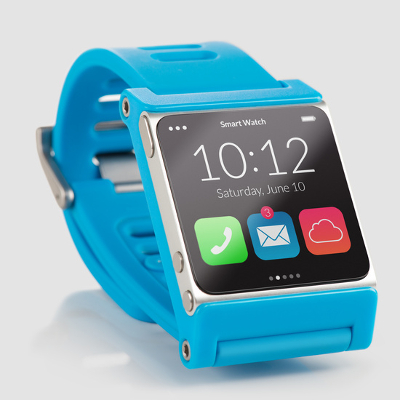
Wearable technology isn’t a new concept, but lately it’s been exploding in popularity. People love the fact that they can use their watch to perform various features that a smartphone can accomplish, and they enjoy how their workouts can be monitored by various health sensory-type devices. However, is this obsession with wearable technology going to amount to anything, or will it be a notorious flop?
Technology has the potential to make the future of your business a success. Although, if you don’t manage your company’s technology properly, it can hinder your business, causing you to miss out on future success. In order to take full advantage of what technology can do for you, you’ll have to keep the future in mind.
When it seems like every idea has already been patented or brought to fruition, that’s a key indicator that innovation in your company is lacking. Traditionally, advancements in business technology have driven innovation for companies. If your company’s innovation well is running dry, then there are measures that your business can take to become more innovative.
In a world where time is a luxury that the average business owner lacks, it can be burdensome to come up with new technology initiatives. The main issue that this presents is that it can be difficult to improve your operations if your technology’s growth is stunted. Stagnate technology deployment can be detrimental to your business’s success.
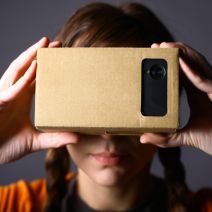
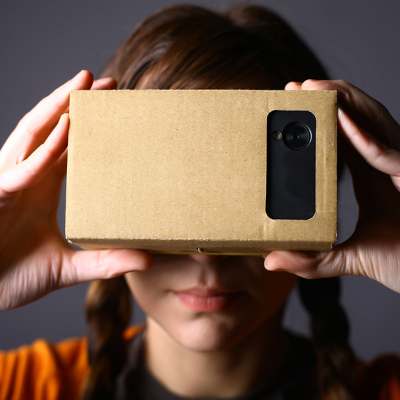
Entertainment has grown so synonymous with smartphones and technology that it’s almost impossible to think about these innovations without considering their entertainment value. Virtual reality augmentation, while slightly different, is an emerging technology that brings elements of virtual space to the lives of everyday users. So, how does virtual reality work, and can it be used for more than just entertainment purposes?
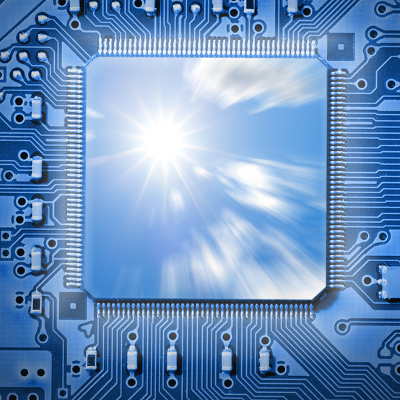
In 1965, the technological landscape was much different from what we see now. The idea of having a small computer in your pocket in the form of a smartphone was but a distant dream. Now, it’s commonplace for all but the youngest of children to have a smartphone. How is this possible? Well, it’s all thanks to Moore’s law, which has led the development of new technology for the past 50 years.
Is your wireless router an older model? If it is, then you owe it to yourself to upgrade the latest model. Depending on your Internet connection, upgrading your wireless router may be the easiest way to increase your bandwidth. Next-gen routers also come with new easy-to-use security features that don't require passwords, making an upgrade worth the effort.
Wearable technology has dominated the tech headlines lately, and for good reason. The concept of having smart technology so easily accessible at any time is an attractive feature for many people. Some are patiently waiting for the public release of Google Glass later this year, along with many more attractive wearable technology options being released including Google's Android Wear.
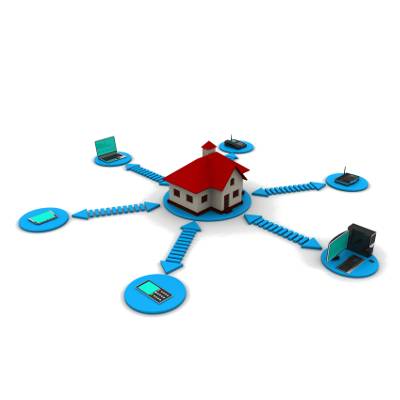
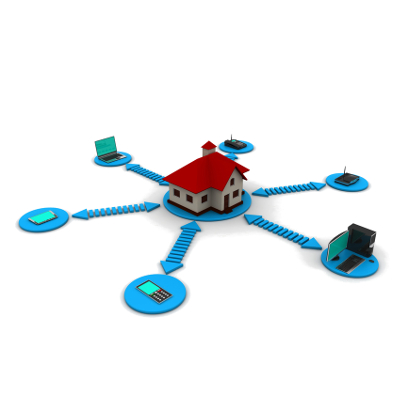
Technological and smart device leviathan, Samsung, has announced its plan to turn homes into smart hubs with its Android mobile devices controlling the action. Samsung is already at the forefront of the smartphone and smart TV market, but it also manufactures other products such as refrigerators, washing machines, and air conditioners. Now it has created a way for all of them to speak to one another.
In a digital age where nothing seems to be private or secure, no matter what steps you take, comes hope with a technology called LiFi. What is LiFi? Put simply, it's a new way for digital information to be passed through spectrums of visible light. It's very fast, at 10 gigabytes per second; currently more than 250 times faster than the fastest broadband connection!
The way media is being consumed by people has been changing rapidly for over 100 years. More and more, people are relying on a tablet or smartphone to watch movies, listen to music, and read periodicals and books. This particular change in technology is just one of many in the history of streaming media.
Google is so entrenched in the culture of the planet that we no longer say, "Search for it", instead, we say, "Google it." Most of us use Google products on a daily basis that go beyond its search engine. From tablets and smartphones running Android, to Google's Chromebook running Chrome OS, Google is directly competing with Microsoft and Apple for the world's business and affection.
Working in the IT industry means embracing change and the latest technology trends. Doing the same thing day-in and day-out is a luxury we don't have, and frankly, sounds kind of boring. Since computers were first invented, there's been a need to service them. Here's a look at how the IT service industry has changed over the past 50 years.
With all the advancements in security technology, it's only a matter of time before clunky passwords are replaced with a more secure and more convenient solution. Unlocking your technology with a fingerprint reader is an easy and fun alternative that's being integrated with some of the latest devices; but how safe are fingerprint readers?
Do you let the batteries in your mobile devices fully deplete before recharging? If so, then you may be doing this based on some scientific-sounding advice you once heard. This advice has been around for years, and battery technology has dramatically advanced, which makes us ask the questions, "Is it still necessary to fully deplete your battery before recharging?"
Anybody who is a master of multitasking is a fan of YouTube. There's so much useful and entertaining content on YouTube that it's perfect for streaming media in the background while working on a project. Unfortunately, YouTube is a large application that eats up precious CPU resources and may slow down your computer.
In a recent economics survey of small to medium-sized businesses by Oxford University, it was discovered that two-thirds of companies believe that technology is the key to transforming their business in order to "achieve longevity and sustainable growth." This survey reveals a lot about how businesses worldwide feel about technology. Does your business identify with any these trends?
Consider for a moment the computer you're using right now. Does it have wires? If so, how thick is the monitor you're using to view this? How many gigabytes is your hard drive? How many Microsoft Works documents could you have fit on your trusty 16-gigabyte USB thumb drive?Computing has certainly come a long way in the last four-plus decades; and it's getting exponentially better by the day.