





Your business has plenty of choices for data storage, but there are few options better suited for business environments than the solid state drive. Even though the hard disk drive is more common, the solid state drive offers many benefits that your organization cannot dismiss--certainly not if you want to seize all possible opportunities.
Tech Minutes
In recent years, the familiar hard disk drive has slowly been losing ground to the much faster solid state drive. As they operate through very different processes, there are a few critical differences that you need to be aware of: SSDs have a limit to how many times data can be rewritten on the drive. This limit isn’t small, a standard consumer SSD drive is rated to sustain 40 gigs of data writing per day for 10 years. This may seem like a lot, but you’ll only get good results if you meet certain requirements and practices.
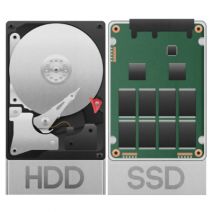
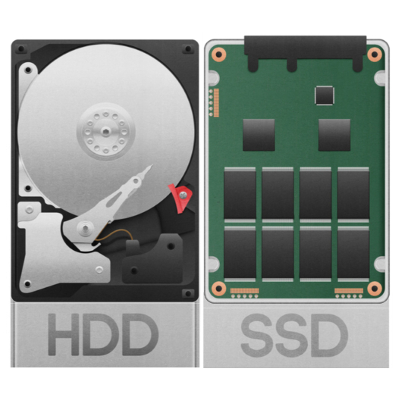
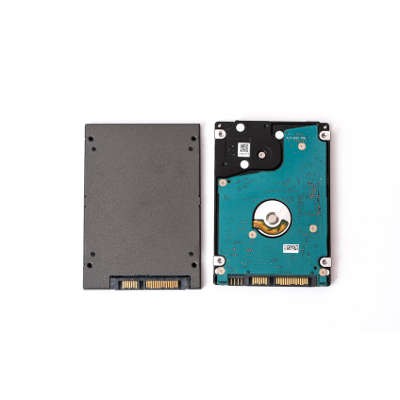
When it comes to storing data locally on your organization’s workstations, you have a couple of options. There are solid state drives and hard disk drives, but the average user isn’t tech-savvy enough to understand the difference between the two. Regardless of what kinds of devices you use for your business, you should be aware of how they work and what you can expect from them.