




Security is a part of business that is constantly changing and evolving. What worked ten years, five years, or even two years ago may not be relevant in today’s security environment. What are some of the major changes that your company can expect to see in the coming years? We’ll walk you through some of the ways that security will be changing in the foreseeable future, and what you can do about it.
Tech Minutes
Security is an aspect of running a business that absolutely cannot be ignored, regardless of whether or not you see it as a considerable issue in the near future. The fact remains that your organization will always be at risk unless you take actions to keep it safe today. By taking advantage of some of the latest and greatest security tools on the market, you’ll be able to protect not only from the basic threats, but more advanced ones as well.
This Christmas, technology is everywhere. Traditionally, the holidays were a time when things slowed down for businesses and people spent time with their families and put their work on the back burner. Those days are over. Today’s professional is lucky to get a day off for Christmas; and, because of the way business works today, may be asked to do more than ever around the holidays.
Cybercrime is the fastest growing criminal activity in the world. From the largest enterprise to the individual, it can affect anyone, anywhere. To help ensure the cybersecurity of American citizens and their businesses, the Department of Homeland Security (DHS), United States Computer Emergency Readiness Team (CERT), and the Federal Bureau of Investigation (FBI) and other agencies work together every October to raise awareness about the threats people face online through a series of educational events and activities.
In the last few months, there have been several high-profile data security breaches that resulted in the theft of millions upon millions of non-public information records. Though much of the focus in the aftermath of the breaches was on personal identity theft and prevention, it’s important to keep in mind that not all the stolen data records target individuals. Business entities are also at risk. Vendors and partners that you do business with regularly will probably have record of your company’s non-public information, payment information, or tax ID number.
In February of 2016, President Barack Obama passed a Cybersecurity National Action Plan. The plan implemented near-term actions and developed a long-term strategy to enhance cybersecurity awareness and protections, protect privacy, and maintain public safety. Taking action against cybersecurity now will assist with ensuring economic and national security, as well as empowering Americans to take better control of their digital security.
After a year like 2016, it should come as no surprise that 2017 has been a year of significant cyber threats. Looking back on the events of the year so far may help us to anticipate what kind of threats we can anticipate in the second half of 2017.
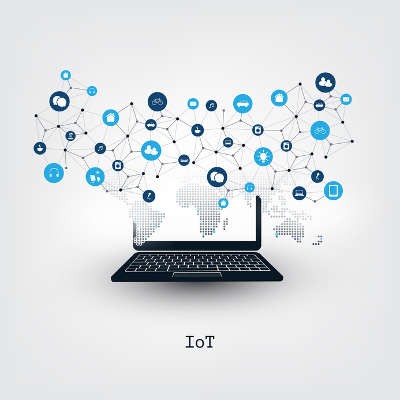
The Internet of Things is all around us, in our homes, our offices, and even our cars. While this connectivity can provide a more unified and automated approach to daily tasks, it has the downside of enabling certain security threats to go unfettered. A prime example are the IoT-driven botnets that seem to be increasing in popularity.
While you are probably spending a fair amount of time thinking about your business’ security, can you confidently say the same about those that you’ve employed? Unfortunately, your workers may not put much thought into network security. This could very possibly lead to some severe issues potentially harming your business operations.
It’s difficult to know what you can and can’t trust in the realm of cybersecurity. However, you’re likely to trust your own security solution. Yet, even this could be a devastating oversight, as some malware masquerades as your security software.