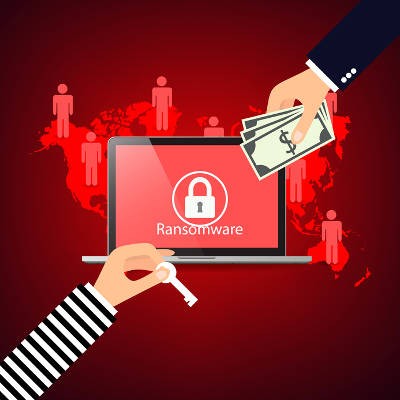







We are going to switch things up a bit and walk you through a retelling of a ransomware attack through the eyes of a business owner. Usually when we talk about these types of threats, we approach it from our perspective and talk about what you should do to prepare and what the threats are, but we wanted to try to show you what an event like this could feel like, for you, in your position, and in your own eyes. We hope that this will raise awareness of how crippling an event like this can be on your company, and we hope you let us know if this perspective helps you, your colleagues, and your staff get a more personal sense of what ransomware can do. Enjoy!
Tech Minutes
In 2017, ransomware became a huge threat for businesses, so when discussing how nefarious actors will be leveraging new ransomware streams in 2018, you have to do so with some urgency. Today we will provide some information on ransomware, the current trends, and some trends you have to be very mindful of going forward.
Ransomware is a growing problem for businesses, being one of the most difficult threats to remove from an infrastructure. Not only is it easy to spread, but difficult to avoid as a whole. How can your organization prepare for this threat? It starts by being mindful of how ransomware is spread and how your employees react to it, both now and in the future.
Put yourself in the shoes of a cybercriminal. If you were to launch a ransomware attack, who would be your target? Would you launch an indiscriminate attack to try to snare as many as you could, or would you narrow your focus to be more selective? As it happens, real-life cybercriminals have largely made the shift to targeted, relatively tiny, ransomware attacks.
Students generally love it when classes are cancelled for whatever reason, but thanks to a cybercriminal group called TheDarkOverlord Solutions, a school in Flathead Valley, Montana was disrupted for an extended period of time. This downtime resulted in a disruption of operations for over 30 schools, as well as the threat to the personal information of countless teachers, students, and administrators due to a ransomware attack.
The variety of malware known as ransomware exploded in popularity in 2016, encrypting victims’ files and demanding cryptocurrency payments to restore the data to the estimated tune of $1 billion. This may seem to suggest that large corporations and companies are the primary targets of these cyber criminals--and for some, they are.

When it comes to Internet threats, ransomware is the one that causes the most fear, especially for small and medium-sized businesses, as it should. According to the Cisco 2017 Annual Cybersecurity Report, ransomware is growing at a yearly rate of 350%. It’s time to make sure that you’re doing what you can to stop your business from becoming another ransomware statistic. Here’s five very good tips that will help you avoid becoming a victim of the next big ransomware attack!
Ransomware is a tricky piece of malware that locks down the precious files located on a victim’s computer, then (in theory) will return access to them when a ransom has been paid. Depending on the files stored on a victim’s computer, they might simply blow it off and not worry too much about losing access to a couple of pictures or videos--but what if this ransomware threatened to expose your web browsing history?
After a year like 2016, it should come as no surprise that 2017 has been a year of significant cyber threats. Looking back on the events of the year so far may help us to anticipate what kind of threats we can anticipate in the second half of 2017.

On May 11, 2017, the WannaCry ransomware spread around the globe like wildfire and disabled computing infrastructures belonging to organizations of all shapes and sizes. As the world watched the news unfold, it seemed as if practically no business was immune to this ultra-powerful ransomware. Yet, many quick-thinking organizations were. All because they had the foresight to follow IT best practices.
On May 11th, 2017, the world was introduced to the WannaCry ransomware. The ransomware spread around the globe like wildfire, infecting hundreds of thousands of devices and catching many major organizations and businesses by surprise. The full extent of the ransomware’s damage is still being assessed, yet, one thing we do know: this whole fiasco was preventable.
Run your Windows Updates and be very skeptical about opening unsolicited emails. Failure to do so may result in a very dangerous strain of ransomware that could infect your entire network and spread to your clients, partners, and prospects.
If fiscal reasons have stopped you from securing your network against ransomware thus far, you may want to reconsider your strategy. Not only are attacks still becoming more and more prevalent, but the developers of ransomware have lowered the price of admission for aspiring cyber criminals. Fortunately, there are some steps you can take to keep your business protected against a ransomware attack.
Society relies on law enforcement to enforce laws in a fair and just manner, but even the police have their work cut out for them when they are targeted by a cyberattack. A recent incident in Cockrell, Texas shows that not even the police are immune to the threats of ransomware--particularly the emerging brand of ransomware, Osiris.
Ransomware is still on the rise, and the Federal Bureau of Investigation has labeled it as one of the biggest dangers to businesses of all kinds. Compared to other methods of spreading malware, ransomware has a unique return on investment that keeps hackers wanting more. One new variant of ransomware uses a phishing attack that’s tailored to your real-world address, which is exceptionally concerning for victims.
There are many types of malware out there, but few are as scary as ransomware. Imagine being struck by a threat that instantaneously locks down your files and keeps you from accessing them until you pay a certain amount of money. If your business is targeted by ransomware, would you be able to protect it from dragging your operations into a bitter pit of despair?
Ransomware is such a popular method of attack used by hackers that new variants of it pop up every few months. Among these is Petya, a nasty new ransomware that masquerades as an unsolicited resume in an organization’s email inbox. Don’t be fooled, though; the only work these hackers are looking for is to work you out of a couple hundred dollars.

Ransomware has been spreading like wildfire over the past few years, but up until very recently, Mac users were spared from this troubling development. Now, security researchers at Palo Alto Networks have discovered what they believe to be the first instance of completed ransomware on an Apple device. As this threat is “in the wild,” Mac users should be wary of it and see it as a potential threat.
Ransomware is one of the most devastating computer viruses in today’s computing landscape. You may have heard of one of its most famous variations, Cryptolocker. It received a lot of attention when it dramatically hit the scene two short years ago. Thankfully, the threat from CryptoLocker has decreased after the GameOver Zeus botnet was taken down last year. Although, now we’ve got a new, more contagious strain of this ransomware to deal with known as Cryptowall.