



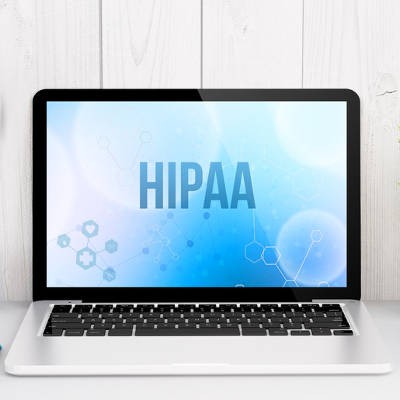
If your work requires you to store medical data, you should be aware of how important your data security is, as a problem could potentially put your business at risk of closing up shop permanently. Security has to be a priority with so many regulations setting compliance standards that must be followed. How can you balance the effectiveness of your business without undermining its security?
Tech Minutes
Today, perhaps now more than ever before, technology is making strides toward making its users consider ways to stay healthier. Wearables are one of the primary examples of how technology is aiming to make users both more active and more interested about their own health. At 2018’s Consumer Electronics Show in Las Vegas, Nevada, this technology was front and center, showcasing how far it has come in just a year’s time.
Technology is invading all practices, including those of medical offices and other health-related institutions like hospitals and dental offices. With the advent of electronic medical records (EMR) and their management systems, medical institutions are capable of eliminating the physical space required to store paper documents, and can instead easily store them in a digital environment. Unfortunately, this also brings its fair share of problems, such as regulatory compliance.
This subject isn’t very interesting outside of hospital administrators… or for hospital administrators, but there’s no denying that healthcare is one of the most important industries in our society today; and one that is having a technology overhaul at present. The influx of cheaper and more powerful technology is surely going to be a driving force for healthcare in the 21st century. Under the Health Information Technology for Economic and Clinical Health Act (HITECH), the United States government has followed the lead of other Western nations in forcing entities to upgrade their healthcare practice’s information technology for the betterment of patients, insurers, and health care providers.