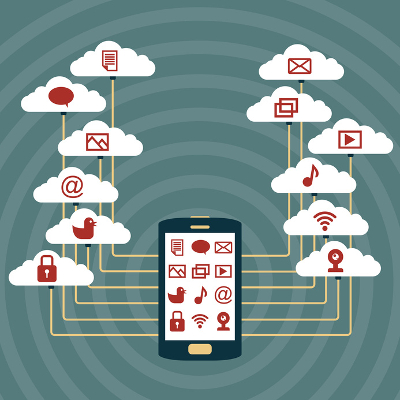





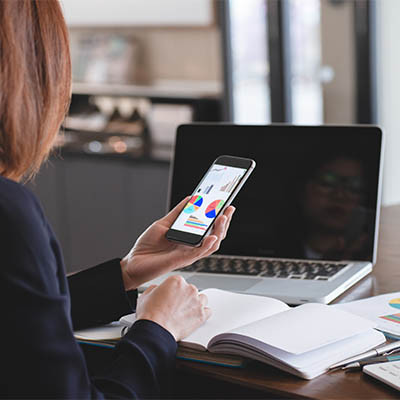
For a lot of businesses, employee mobile phone usage was once a big problem for them. There have been some businesses that actually hired someone to walk around their office telling people to get off their phones. Some businesses outlawed employee devices altogether. There probably are some businesses out there that still limit the use of these devices in their office, but for most businesses, their employees’ smartphones are now completely part of their productivity strategy. Let’s take a quick look at the shift from banned to benefit in this month’s newsletter.
Tech Minutes
Learning how to use a new technology can sometimes be troubling. If you’ve been a dedicated Apple customer throughout the years, but are considering switching allegiances to Android, you should know that simple differences between the two platforms can end up disorienting. Here are a few things you have to know when switching away from the iPhone.
There is no understating the importance of strong, reliable passwords to your organization’s network security, especially to protect its wireless connection. However, this can create some friction with your staff when they try to connect to Wi-Fi using their mobile device. To make accessing the Internet easier, scannable QR codes can be used to connect to the Internet.
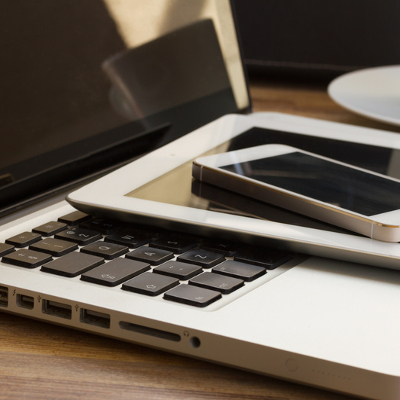
Mobile devices are so common nowadays that you’ll likely encounter your employees bringing multiple devices to the office on a regular basis. Little do they know that everything they bring with them, from their Fitbit to their laptop, poses a security threat. Of course, the threat level from each individual device will depend on what it is exactly, but the point stands that the less you do about mobile device security now, the more danger your organization will be in down the road.
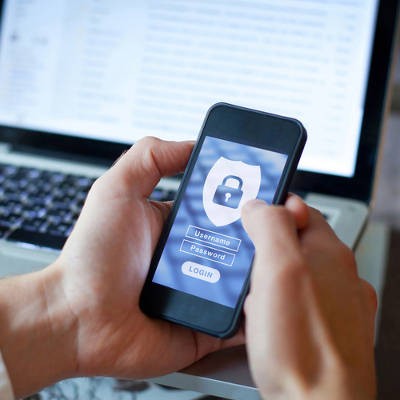
With more and more businesses relying on mobile devices for their business they have to be sure that the use of these devices doesn’t present security issues for the company. With all that is happening in business computing today, finding out how you can protect yourself in lieu of the prevalence smartphones play in the business world is important. Here are a few tips on how to lock it up or lose it, altogether.
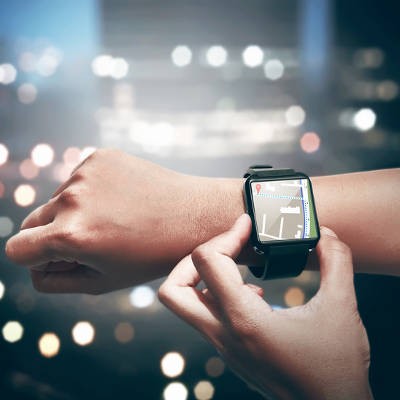
Today, perhaps now more than ever before, technology is making strides toward making its users consider ways to stay healthier. Wearables are one of the primary examples of how technology is aiming to make users both more active and more interested about their own health. At 2018’s Consumer Electronics Show in Las Vegas, Nevada, this technology was front and center, showcasing how far it has come in just a year’s time.
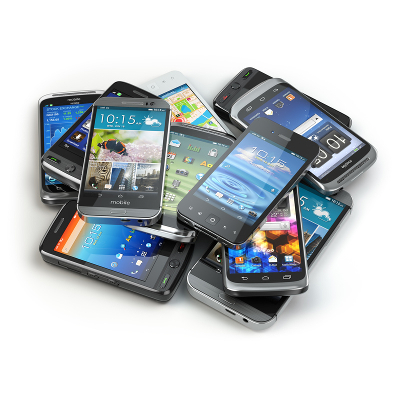
Considering how often smartphones are replaced, you’re bound to have a couple of them stashed away for a rainy day. These devices are particularly helpful in the event that your smartphone breaks unexpectedly, but there are other purposes that you might want to keep in mind. Here are three ways you might be able to use your old mobile devices around the office.
Today’s business environment is no longer just a drab gray office setting filled with workstations lining the wall. The office is the coffee shop across the street, or the airport lobby while you’re waiting for your plane to arrive. It’s the client’s office while you’re out on a business trip, or the venue for a business conference where you make valuable connections and exchange contact information. The office has gone mobile, and your business needs to adapt to this change.
Chances are, you’ve heard of phishing before--emails that promise some benefit or prize if you only click on the included link, that actually only results in trouble for you and your data. Unfortunately, as technology has embraced mobility, so have phishing attempts. This is why you must also be aware of SMiShing scams.
Businesses can benefit from the use of personal mobile devices in the workplace, yet there are also potential dangers in allowing mobile and Internet of Things devices to access your network. In order to reduce these dangers, you need to put some limits and guidelines on the use of such devices in the workplace.
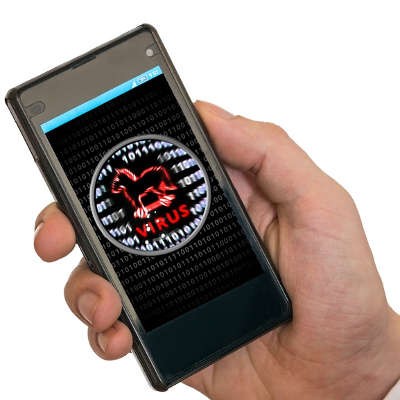
You might take extreme measures to keep your business’s devices from contracting the odd virus or malware, but what if all of your efforts are for nothing? You could have the greatest preventative solutions out there, but you can still get infected by some nasty threats, the reason being that the device was infected before you even started using it. You might be surprised by how often this happens, even to wary business owners.
Years before Steve Jobs stood up on the stage in San Francisco and proclaimed Apple had brought you the future, the future he spoke of was already being developed, and in some cases utilized already by millions of people around the world. Cellular phone technology had been around for some time by 2007, but the iPhone, set in motion a mobile revolution.
How many of your employees have a smartphone? The answer is probably most (if not all) of them. In the United States alone, nearly two-thirds of adults own a smartphone, and many of them depend on the device to do much of their personal computing. As a result, many workers, even if they are instructed not to, will use their devices while at your office. This is why many companies have put in place a comprehensive Bring Your Own Device (BYOD) strategy.

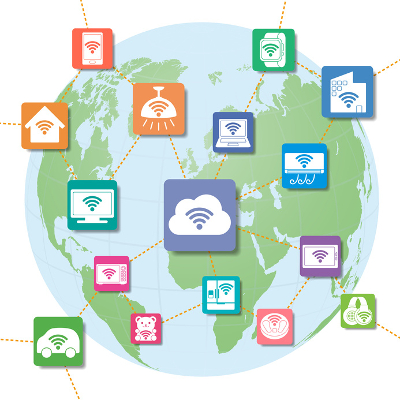
The introduction of new and exciting technologies keeps changing the ways people interact. Innovations such as email, instant messaging, and the development of mobile devices are now turning out to be just fundamental steps to a more connected planet. The Internet of Things is set to turn human civilization on its head. What does this shift mean for the immediate future?
Mobile devices have taken the workplace environment by storm, and you’d be hard-pressed to find anyone who doesn’t use their smartphone, laptop, or other device for work purposes. This trend, called Bring Your Own Device (BYOD), helps employers spend less on new solutions, but it also presents a risk that needs to be managed: the Internet of Things (IoT).
Business owners are taking great strides toward freeing themselves from the confines of the office environment once and for all. This means integrating wireless technology into every aspect of the way you handle operations. However, there are still some uses for wired technology that wireless cannot facilitate.
Thieves stealing mobile devices like laptops and smartphones have reached epidemic proportions. In fact, 2013 statistics from Consumer Reports and LoJack show that two million laptops were stolen that year, along with three million handsets. Translation; it’s way more likely for your mobile device to be stolen than you probably realize.
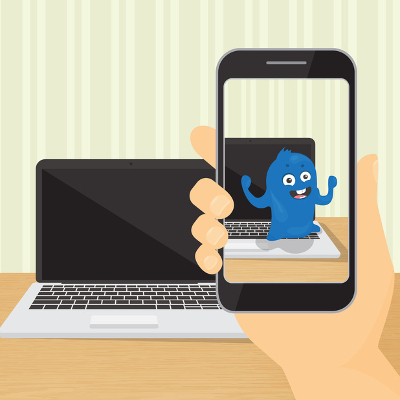
How smart are smartphones really making us? If we’re honest with ourselves, most of us would admit that our mobile phones are more for entertainment and efficient communications, and less about actually being used to make ourselves smarter. Thanks to augmented reality technology becoming more accessible, perhaps smartphones will one day live up to their name.
When was the last time you let your phone’s battery die on you? Due to the takeover of mobile technology in the workplace, smartphones have basically become inseparable from their owners, particularly the ever-busy business owner. Despite the imperative role that smartphones have in the workplace, you should know that there are several battery myths that might be holding you back from achieving maximum efficiency with your device.
Your smartphone is, without a doubt, a valuable business asset. It keeps you connected to your business at all times, even when you’re home; but is this a good thing? Have you ever considered what your significant other might feel if you answer your phone while out to dinner? Thanks to the indisputable power of social science research, it’s been proven that smartphones are bad for our personal relationships. Gasp!
Do you remember the good old days when a simple magic trick was capable of bringing a smile to anyone’s face? Optical illusions, card tricks, or sleight of hand; all of these are basic tactics used by the average magician. However, Simon Pierro, a German magician, uses his iPad to come up with mind-bendingly spectacular tricks that take advantage of modern technology.
Mobile is all the rage nowadays. Industry giants such as Microsoft and Apple claim to have mobile devices that make the PC obsolete. It makes for great marketing, but do mobile devices have what it takes to keep employees productive inside and outside of the workplace? The statistics say no, but the gap is closing. Here are three mobile myths all CIOs should consider.
We’re all aware of how the proliferation of mobile devices is changing the workplace, but let’s take an objective look at this trend. Are mobile devices changing the workplace for the better? Are employees actually using their personal devices to get more work done? Or, is the BYOD trend a bunch of hype and nothing’s really changed? Let’s find out.
Apple is back with another iPhone! The Silicon Valley-based hardware and software manufacturer has released the new versions of their extremely popular iPhone series of devices. The two-headed approach that Apple took with their second incantation of the iPhone 5 (the 5s and 5c), is replicated this time out as well. After being surpassed by Samsung over the past two years, does the iPhone 6 and its larger version, the iPhone 6+, have what it takes to get Apple back on top?
Thanks to the explosion of mobile phones, the world is connected like never before and most people seem to have a good grip on how to talk to each other using proper telephone etiquette. Therefore, when someone breaks socially accepted phone etiquette practices, they make themselves or the business they represent look bad.
Anybody who has been paying attention to the technology field has heard echoes of the looming decline of PC sales. Now, that prediction has not only come to fruition, but it is much worse than many have previously imagined. In 2012, both the IDC (International Data Corporation) and the Gartner Group reported that global PC shipments in the 3rd quarter had fallen 8% from the previous year. The latest numbers released on December 2nd, 2013 were not good news for the world of traditional desktop and laptop computers.
The advantage of staying on top of the latest technology trends is that your business can utilize the newest solutions designed to give your company the competitive edge. New technology makes doing business easier and increases profits. There are three hot technology trends in 2014 that you should know about. We've looked at two trends already, now to our third, mobile computing.
Remember back when buying mobile devices for your business meant choosing between a handful of laptops? Thanks to the increased proliferation of devices like smartphones, tablets, netbooks, and the development new hybrid models, it's become quite the task to pick out the right make and model. Here are five questions to consider when picking out mobile devices for your organization.
It's a classic battle. Android versus iOS, a technological battle royale for our portable device hearts. It was a very interesting year for both platforms as iOS launched the largest revamp of its software to date with iOS7, and it seemed like every budget device out there was running some sort of Android software. Apple critics were quick to point out that their new software had astonishing similarities in both looks and feel to Android, while Android critics were quick to point out Apple devices with the new A7 chip were faster and more powerful than anything else on the market. So, who won out in 2013? The numbers may surprise you.
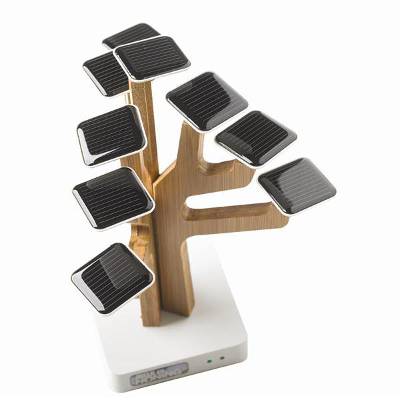
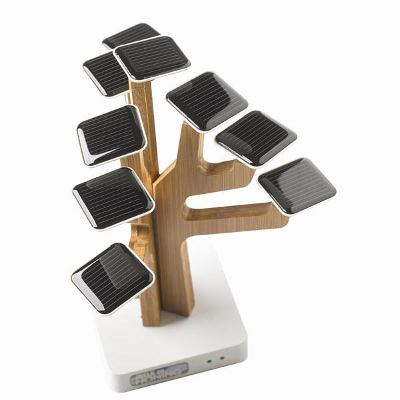
Smartphones and tablets are everywhere, and it's no secret that people are tied to their devices. App markets are filled with all types of software that, if used properly, can help manage every aspect of a person's life and connect them to databases filled with humanity's accrued knowledge. The polling professionals at Gartner found that over 1.2 billion such devices were purchased in 2013 alone. This boom gives innovators new markets to explore. XD Design is doing just that with their line of solar-powered chargers.
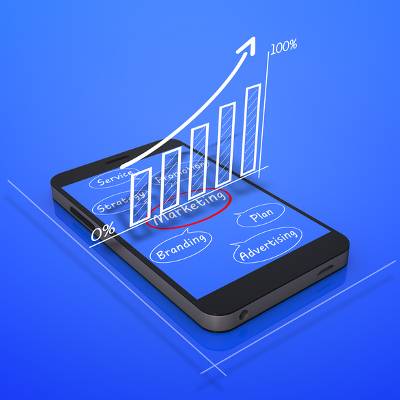
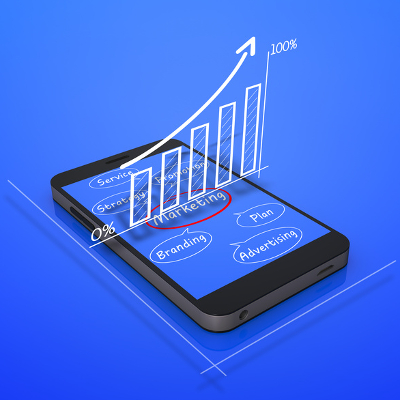
Concocting a comprehensive and concise marketing strategy is extremely important for any small business. Across the board, the average company uses between 8%-to-15% of their gross revenue to reinvest into marketing themselves. When you consider how large of a percentage of an organization's workable capital that really is, you'll begin to understand why companies are trying to find a solutions to cut their marketing costs. They need not look any further than the palm of their hand to find that very solution.
Mobile technology use is growing at such a fast rate that it's proving to be more than a trend. In the U.S., 56% of adults own a smartphone, and for businesses with an Internet presence, 31% of conversions took place over a mobile device last year. This mobile revolution has huge implications for how your business reaches new customers.
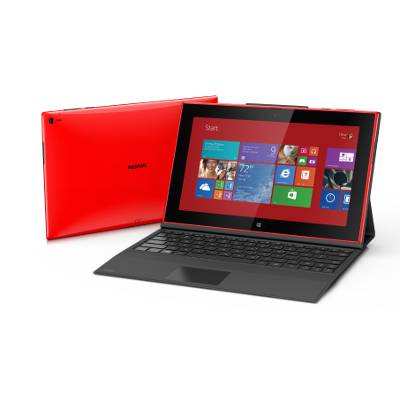
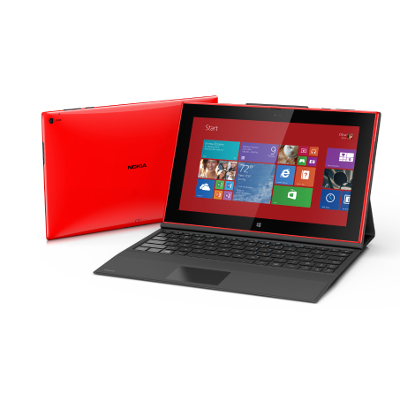
It's no secret that Microsoft is trying to implement a full court press regarding the Windows RT operating system by trying to get it on as many tablets and phones as possible. However up until this point the only company still producing these devices was Microsoft itself. Now Nokia has entered the fray with their Lumia 2520. Microsoft recently purchase Nokia, however, the merger will not be complete until sometime next year, so this still feels, looks like, and operates the way you would expect a Nokia product to.
What is the scariest situation you can imagine? Being chased by a werewolf? How about being boiled alive in a witches brew? Or what about succumbing to a zombie hoard? For people that are nomophobic, these monster-filled situations would be preferred compared to their greatest fear; being without their cell phone!
What are you terrified of? Spiders? Heights? Deep water? Financial problems? Shockingly, the greatest anxiety among humans is public speaking, even ranking above the fear of death! But, for some people, these things would be readily faced in lieu of their greatest fear; being cell phone-less! Oh, the horror!
According to a new study from the International Data Corporation, tablets are expected to outsell PCs for the first time in the fourth quarter of 2014. While mobile device sales have been trending this way for years, this is the first time the mighty PC will be dethroned by a gadget. What does this mean for your business?
The growing popularity of employees bringing in their own devices into the workplace (BYOD) is challenging the traditional model of IT for businesses. Many companies are embracing BYOD and adapting their IT networks accordingly. With the way things are trending, it's important to ask yourself where all of this is heading, and consider what a fully realized BYOD environment will look like.
Are you looking to enhance your business with new mobile technologies to give your workforce the competitive edge? If so, then we recommend that before you go out and purchase new mobile devices, you first need to understand the technology requirements of your organization. Here are four crucial needs you will want to consider.