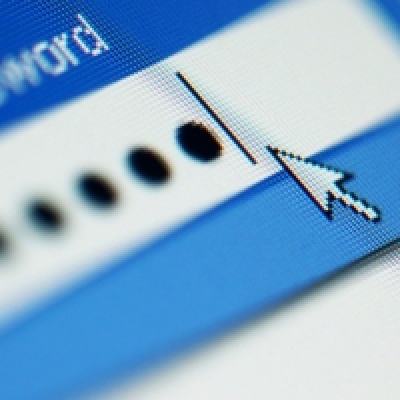







There is no understating the importance of strong, reliable passwords to your organization’s network security, especially to protect its wireless connection. However, this can create some friction with your staff when they try to connect to Wi-Fi using their mobile device. To make accessing the Internet easier, scannable QR codes can be used to connect to the Internet.
Tech Minutes
Passwords are all over the place these days, whether they’re required to access an online account, or access the devices used to open these accounts. While both types of passwords can make for ideal security conditions, this is only the case if the passwords are strong. If your passwords can be guessed by just about anyone, can you really call it a security measure? New insights from SplashData show that passwords aren’t being considered as much as they need to be.
Technology is supposed to make things easier, yet it’s a common source of frustration when it doesn’t do what it’s supposed to. As an IT company, we experience technology frustrations all the time, and we wish that many of these frustrations could just be eliminated altogether. In our opinion, here are four technology frustrations that need to go.
Security is a hot-button issue for all types of businesses, but cyber security is such a complex subject that it’s difficult to jam-pack its many intricacies into one blog article. Sometimes understanding just a few ways to improve your business’s security practices can be a significant benefit for your organization.
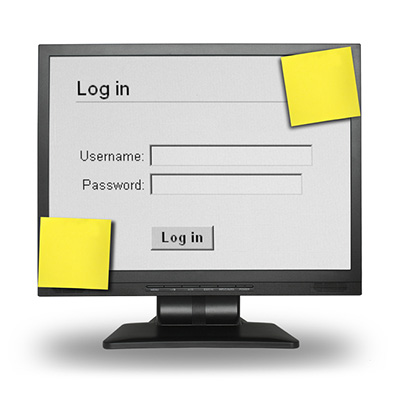
Changing your password is a pain. After you’ve gone several months with the same one, it can be difficult to remember your new password. Despite this, it’s always recommended that you change your passwords often. Unfortunately, when you change all of your passwords often, it’s even easier to forget them. Instead of using a post-it note on your monitor, you should instead try using a password manager.
We see a lot of password-bashing these days, and some people have lost faith in them as a security measure. But, unfortunately, a lot of the blame for this lies in human memory. We just don’t pick passwords that are strong enough. In fact, a mind-numbing one in 20 people still use “password” to keep their information safe.
This holiday season might leave technology and entertainment supergiant Sony with nothing but a big lump of coal in its stocking. In a high-profile hack, hackers continue to leak Sony’s employees’ sensitive information like Social Security numbers, passports, and even personal emails. This is obviously an issue for the company, but so is its lack of IT security, as shown by their passwords being stored in a folder named “Passwords.”
Last week, the Heartbleed bug was identified as a weakness in the OpenSSL cryptographic library, potentially leaking two-thirds of the Internet's secure information from any websites utilizing this encryption style. While most major websites such as Google, Yahoo, and Facebook released patches quickly, it does little to actually remediate the problem. Your data could have been leaked over the year-plus that the vulnerability could have been accessed. There is no way to know if it has been compromised.
On April 7th, a new bug on the Internet was discovered that's putting millions of users' personal data at risk. Given the name "Heartbleed bug," it's capable of allowing infiltrators to collect information while you are securely browsing a SSL/TLS website. Since SSL/TLS is so widely used, it's very probably that your personal data is at risk.
On December 3, 2013, security company Trustwave discovered over two million stolen user passwords for popular online services like Facebook, LinkedIn, Google, Twitter, Yahoo, and 93,000 other websites. There's a high probability that you use one of the services affected by the hack. Is your personal information compromised?
For sites you need to log into often, having your browser remember your password can save you time logging in, especially if you are using secure passwords that you might need to look up otherwise. There are circumstances where you might want to manage what personal information gets stored in your web browser.
The problem with carrying around an expensive, portable piece of equipment is that it's possible for someone to pick it up and run with it. According to LoJack, a security firm that focuses on stolen property, two million laptops are stolen each year. What should you do if you are a victim of laptop theft?
This has been a pretty common topic for us on the Directive blog. We've seen a lot of Upstate New York clients and customers suffer the consequences when online retailers and other account providers experience a security breach. It is equally vital for consumers to know what to do in the event of a security breach as it is the company that is actually breached.

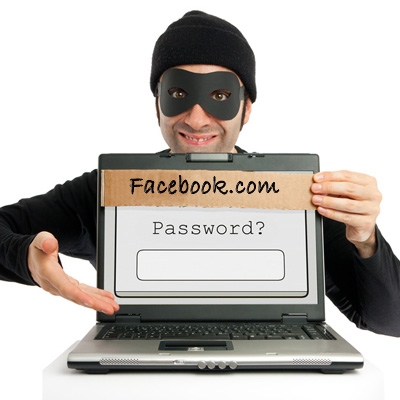
On the topic of identity theft, social media accounts are becoming a high target for hackers, especially for spreading malicious viruses. To some, losing control over their Facebook or Twitter accounts could be just as devastating as having their credit card stolen. Trouble is, for many users, having one login account stolen means hackers have access to their other accounts too.
Your identity has quite a lot of value, especially in the wrong hands. Security firm ZoneAlarm put together some numbers in 2011 concerning identity fraud, and it even shocked us. Let's talk about a few of these statistics and what it means.
Ever since the public has been logging on to the Internet, certain people have been using the Internet to take advantage of others. Whether it be through scams, viruses, malware, phishing, or a whole slew of other dangerous activity, cyber criminals have been very good at making Internet security an industry on its own. With the colossal popularity of social networks like Twitter and Facebook, miscreants are capable of targeting even more users than ever before. On top of that, their methods seem to be hitting people where it hurts. Learn how you can prevent falling into one of their traps.