





We’ve all seen our friends and family sharing quizzes on their social media profiles, prompting people to find out what their celebrity stage name or what Hogwarts house you would be in, or to share what their first concert experience was. These fun, lighthearted quizzes are a great way to get to know a little more about the people we’re connected with… and that’s the biggest problem.
Tech Minutes
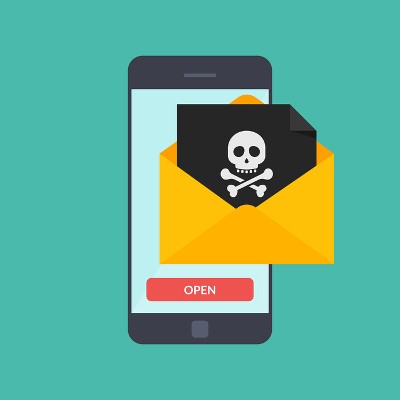
Email is often touted as a favorite medium for launching cyberattacks against businesses and individuals. This is because it’s easy to hide the true intent behind an email attack within its contents, whether they are embedded images in the message itself, or links to external sources. How can you know for sure whether the links in your email inbox are legitimate?
Hackers are always trying to find creative and new ways to steal data and information from businesses. While spam (unwanted messages in your email inbox) has been around for a very long time, phishing emails have risen in popularity because they are more effective at achieving the desired endgame. How can you make sure that phishing scams don’t harm your business in the future?
Few security problems are more dangerous than a network breach. Considering how much you could lose from an unexpected bout with a hacker, it’s no surprise that businesses are concerned. Yet, even some of the most troublesome threats like phishing attacks are often ignored. A new study introduces the groundbreaking thought that phishing attacks should be at the forefront of a business owner’s mind regarding network security.
Would you be surprised if we told you that cybercrime is one of the biggest threats to the success of your organization? Unfortunately, there’s no escaping the fact that your business will be under fire from all sides by security threats. One of the most notorious methods includes phishing--email scams that are designed to harvest credentials and other information from unsuspecting users.
Chances are, you’ve heard of phishing before--emails that promise some benefit or prize if you only click on the included link, that actually only results in trouble for you and your data. Unfortunately, as technology has embraced mobility, so have phishing attempts. This is why you must also be aware of SMiShing scams.
Phishing scams have had a supporting role in many of the latest cyber threats, often as the means the attacker has used to start off their attack. This attack vector is relatively easy to avoid in most cases, but requires education for the end user.
Phishing attacks have been around for decades, first being recorded in 1995 where scammers would pose as AOL employees and request a user’s billing information through instant messages. Nowadays, email phishing attempts have tricked users into handing over personal information of all kinds. There are many methods of identifying a phishing attempt, but today we’ll focus on one.
On Wednesday, several users found themselves the victim of a convincing phishing attack. The attack was designed to look like an invitation to view and edit a Google Doc, and is designed to steal your Google credentials and spread through your contacts.
One thing that both fishing and phishing have in common is the use of lures. With the right lure, the chance of successfully catching the target improves. When it comes to the digital lures seen in phishing scams, research shows that social media is the most effective.
An unfortunate fact about the modern business world is that any organization that utilizes technology is playing with fire. Cyber attacks can circumvent even the most well-protected networks through the company’s users. This is, unfortunately, something that business owners often don’t learn until they’re on the receiving end of an attack; just like the two companies that fell victim to phishing attempts that were supposedly operated by Evaldas Rimasauskas, a Lithuanian hacker who has been accused of stealing $100 million from them.
The average business owner may already be aware of what are called phishing attacks - scams that attempt to deceive and trick users into handing over sensitive credentials. However, not all phishing attacks are of the same severity, and some are only interested in hauling in the big catch. These types of attacks are called “whaling,” and are often executed in the business environment under the guise of executive authority.
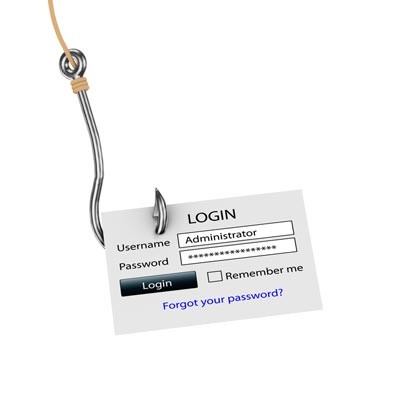
One of the most masterful arts of deception that hackers use is the phishing attack, which attempts steal sensitive credentials from unwary victims. The anonymity afforded to criminals on the Internet is what makes this possible. Using phishing attacks, hackers attempt to steal credentials or personal records by forging their identities. What’s the best way to protect your business from these attacks?
Your business is literally assaulted by thousands of threats a day, and they could ruin your organization's goals in an instant if not for your defenses. With such powerful security measures at your disposal, we don’t blame you for lowering your defenses; however, it should be mentioned that your network security doesn’t protect you from all manners of threats. Attacks like phishing scams have a tendency to bypass your security measures, which makes them dangerous.
Most hacking attacks are the result of a flaw or vulnerability found within the code of a program or operating system, but we rarely take into account the ones that don’t. Hackers often take advantage of the human side of hacking as well, a process known as “social engineering.” This is usually the act of conning users into handing over personal information of their own free will, and it’s surprisingly effective.
We all know that hacking is one of the biggest risks we must deal with in today’s technology-based society. Most hackers out there try to take advantage of the latest vulnerabilities in software, but there are some that use a more sophisticated method. These hackers try take advantage of the weaknesses found in the human psyche, rather than the technological flaws that consistently get patched.