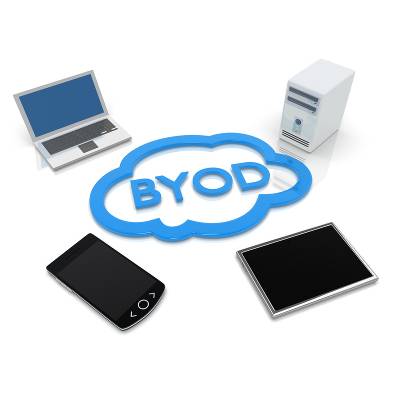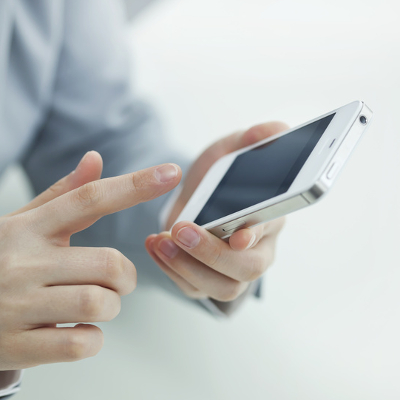






Bring Your Own Device, or BYOD, has grown significantly in the business environment. You might even have a couple practitioners of BYOD in your own office; people who use their personally-owned devices for work purposes. However, just like any potential benefit, it also has drawbacks that need to be considered. How can you implement BYOD without experiencing too many of its drawbacks?
Tech Minutes
Mobile devices are challenging the traditional perception of the office environment. When employees bring their own devices to work, this is called Bring Your Own Device (BYOD), and it’s an increasingly popular trend. Initially thought of as a threat, BYOD is proving to be a valuable option for businesses wanting to increase productivity, so long as it’s regulated properly.
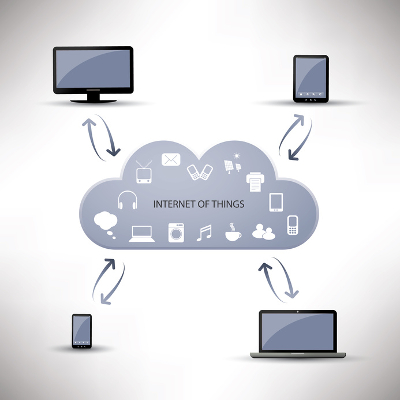
In the near future, there will be many new devices connecting to the Internet. Some will be useful, while others will be… not so much. Either way, the fact remains that, according to IDC, the Global Internet of Things (IoT) spending is expected to reach around $1.3 trillion by 2020. That’s a pretty huge number, and we’ll tell you why your organization needs to keep the IoT in mind when putting thought into your technology strategy.
As mobile technology booms, employers and employees are learning how to best take advantage of using new mobile technology in the workplace (a trend known as BYOD). To be sure, there are several advantages that come with BYOD, but there’s still hesitancy for many businesses to fully adopt mobile technology due to a lack of trust.
Mobile devices are changing the technology landscape in the modern office. What kind of changes are smartphones specifically having on human productivity? We are looking at this question in two parts. In our last blog article we looked at how mobile devices impact networking. In part two, we will take a look at smartphones and human awareness.
Two of the latest trends in business culture are environmentally friendly green campaigns and Bring Your Own Device (BYOD) work environments. There are a few ways that a BYOD system can contribute to the success of your company's green campaign, as they both seek to use technology to increase everyday efficiency at the office.
The latest news in office technology movements is the shift toward BYOD (Bring Your Own Device) environments; in which employees are bringing their own mobile devices to work. All the cool kids are doing it, but should you? Before you follow the trend and allow your employees to bring their devices to work, you should consider these risks.
The latest trend in business technology is employees bringing in their personal devices to work. This trend is commonly referred to as BYOD (Bring Your Own Device), and it's presenting businesses with both new opportunities and challenges. We will breakdown BYOD into 2 parts; benefits and risks. In part 1, we will look at five benefits of BYOD.
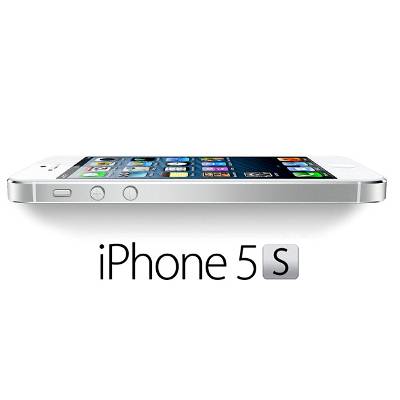
You have probably already heard about Apple Inc.'s latest iPhone innovations; exciting new products that have the potential of revolutionizing your business workday. The two new models of iPhone will come with the opportunity to simplify tasks, be better organized, and have more fun with your daily routine!
The growing popularity of employees bringing in their own devices into the workplace (BYOD) is challenging the traditional model of IT for businesses. Many companies are embracing BYOD and adapting their IT networks accordingly. With the way things are trending, it's important to ask yourself where all of this is heading, and consider what a fully realized BYOD environment will look like.