Considering the recent weather events in the Southern United States, it only seems prudent to address a few considerations that may not be the first to come to mind when making business arrangements for such occurrences. For instance, what are the expectations that employees are held to in the case of a weather disaster?
Tech Minutes
It should come as no surprise that the practice of business continuity planning is one that every business needs to undergo. This planning serves as essentially your only insurance against some form of data disaster or another. Consider your own business for a moment--could it survive a fire, a critical failure in part of your infrastructure, or theft? With a business continuity plan, there’s a chance it just might.
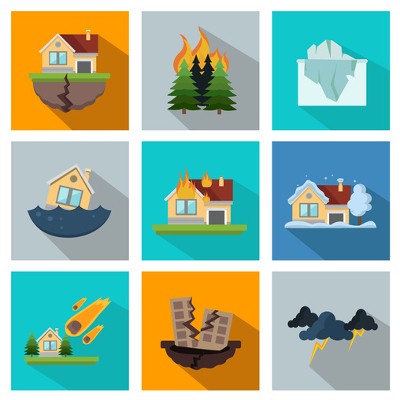
A recent surge of hurricanes, wildfires, earthquakes, and floods have crippled major cities and devastated entire regions all over the world. In the aftermath of these events, business owners are faced with a few glaring truths - one of which is the undeniable vulnerability of their business’ future in the event of a disaster. Most of the major news outlets are reporting this figure: according to the Federal Emergency Management Agency (FEMA), 40% of small businesses never recover from a disaster. Despite all the literature and precautionary tales surrounding these catastrophic events, there are still an overwhelming amount of businesses that choose not to prepare for a disaster until it's too late.
By now, you’ve probably heard about the importance of business continuity and disaster recovery planning for small businesses. According to FEMA, more businesses have business continuity plans than ever before. With so many SMBs looking to secure their future, there are still a few aspects of business continuity planning that today’s business need to comprehend. After all, there is more to it than just data backup. Disaster recovery is something that needs to be planned, practiced and updated.
As a business owner, you expect to stay in control of what your business does. Unfortunately, there are certain variables in running a business that simply can’t be controlled, like the weather. Therefore, you need to take special care to ensure that these uncontrollable instances don’t become a threat to your business’ prolonged existence. To this end, we recommend a business continuity plan.
Few organizations take business continuity planning as serious as financial organizations do. The Federal Reserve Bank (FRB) and Securities and Exchange Commission (SEC), as well as the organizations they oversee, depend heavily on technology for their daily operations. For these establishments, a severe data loss event or significant downtime has the potential to cripple the economy, depending on the severity. As such, they require all of the institutions that they have jurisdiction over to meet certain business continuity benchmarks.
No business owner wants to experience data loss in any way, shape or form, which is why it’s so crucial that preventive measures are taken. If you don’t have protections in place, you may find yourself out of business due to a data loss disaster. While that’s certainly the worst-case scenario, the other consequences of data loss are downright troublesome in their own right.
While many may consider an audit of any kind to be a pain in the neck or worse, they can actually be an effective way to ensure that businesses are following best practices and remaining compliant. After all, nobody wants to be the company that failed an audit. Despite this, many companies aren’t up to standard where their IT is concerned, and it has an impact.
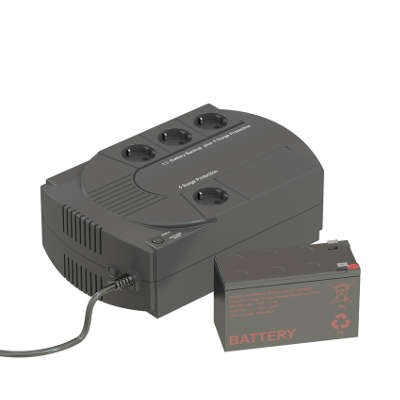
What would happen if you were in the middle of typing a report or performing some task, and the office suddenly lost power? Too many would find themselves staring blankly at an equally blank screen as their infrastructure suddenly ceased operations. However, there is a device that can help save you from the worst effects of sudden power loss.
Every business has to deal with a certain amount of risk from various factors, from hackers, natural disasters, or user error. As a business owner, it’s your responsibility to ensure that your organization can bounce back from a potentially dangerous situation with minimal casualties. We’re here to help you understand the importance of a risk assessment, and what you need to look out for.
It doesn’t take much to derail a business. Even the slightest disruption in power can lead to an unexpected power-down, and something as simple as a severe rainstorm could lead to floods that wash away your data. The point stands that you have everything to lose, and without data backup and disaster recovery, your business practices could be in danger.
Why You Need Backup and Disaster RecoveryEvery organization should have a sound plan to recover any data that’s lost due to unexpected disasters. It’s been proven that organizations that fail to recover lost data within 7 days of the incident, typically go out of business within one year. There are many reasons why data backup and disaster recovery solutions need to be implemented. Here are just a few of the threats that could uproot your business and disrupt operations.
Natural disasters: Floods, fires, electric storms, tornadoes, hailstorms, and so on, all have the potential to not only destroy your physical infrastructure, but also your business’s data. Therefore, if you’re in a region that’s prone to extreme weather conditions, you need to consider backup and disaster recovery.Cyber attacks: Data breaches are well-known culprits of data loss. It’s not easy to predict what a virus or malware will do, but most often, they’re designed to steal your data, delete it, or lock it away until a ransom is paid. In all of these cases, it’s best to have your data backed up so it can be safely restored.User error: The biggest threats often come from those who are supposed to have access to your data, not just those who don’t. If an end-user accidentally deletes a file, moves it somewhere it doesn’t belong, or hands over credentials to a hacker on accident, your data is put at risk.Hardware failure: The inevitable part of working with technology is the fact that it will eventually fail and be rendered obsolete. This can happen when you least expect it, and the costly downtime can be a major setback for your business - not to mention the data that could be lost if a server were to go down.What You Should Look ForNot all backup and disaster recovery services will be the same, nor should they be. You need a solution that’s customized to meet the specific needs of your business. Here are some of the best features to look for in a BDR solution, and why they’re critical for the continued functionality of your business.
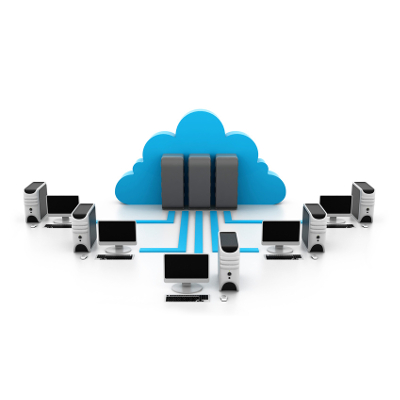
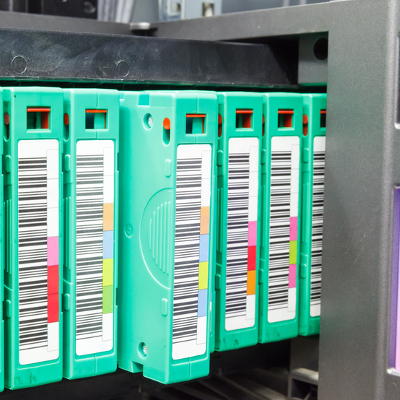
Cloud and off-site backup: You don’t want to store your data backups on in-house tapes. Rather, you want them secure in an off-site location, like the cloud or a data center. This way, you can know that your data is stored in a compliant location that can’t be damaged by natural disasters.Quick recovery time: You want to be able to rapidly deploy your business’s data to your infrastructure in order to minimize downtime. Tape backup can make this part of the recovery process long-winded and wasteful, but BDR can automatically deploy your data through the cloud, making recovery practically instantaneous.Comprehensive backup: Furthermore, you want to make sure that your data is as recent as possible. Tape backup is inefficient for this purpose, while BDR can take backups of your data as often as every fifteen minutes - maybe even more often.For more information about BDR and business continuity, contact Directive at 607.433.2200.

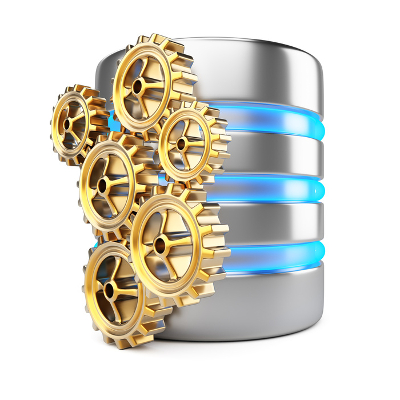
Data Backup and Disaster Recovery (BDR) isn’t your average data backup solution. In fact, it’s far from any traditional backup tool that you might have used in recent years. Here’s how BDR is changing the way that organizations approach business continuity and ensuring their continued success and sustainability.

The continuity of your business should be a major priority, especially considering how the livelihood of yourself and your employees is on the line. Believe it or not, there are some organizations out there that don’t give a second thought to the preservation of their data and critical assets. Therefore, it’s clear that you need to pay proper attention to how your organization handles problems like natural disasters, data loss, hacking attacks, and other hazardous incidents.
There’s no question that data backup is absolutely critical for the success of any modern-day business, but how does your organization go about it? Just like how we rely on quick snapshots to capture moments with our smartphones or digital cameras, most backup solutions take advantage of image-based backup technology. How does this kind of data backup work, and what are the benefits it provides your business with?
When it comes to your business’s technology infrastructure, the more basic it is, the better. Granted, a simple IT infrastructure isn’t always easy to install, especially when there are so many great solutions on the market that can be implemented to achieve optimal efficiency. Sometimes the best IT solutions are those that make your technology simpler to manage, and your network less complicated. That said, you’d think redundancy would complicate this formula, but it’s actually a necessity for your business continuity plan.
Today is Disaster Preparedness Day! This means that there’s no time quite like the present for preparing for potential future data emergencies. While the type of disasters vary immensely depending on your business’s geographical location, every business needs a disaster recovery plan implemented as soon as possible.
September 30th is Disaster Preparedness Day. This gives us a great reason to go over some of the most common disasters that can potentially affect your businesses. There are dozens of potential disasters to choose from, but since we’re an IT company, we’re going to focus on the four top disasters that can mess with your company’s IT infrastructure.
If you don’t already have a backup solution put in place, no time is better than the present to consider what it would cost your business if you were to lose everything in one fell swoop. There are plenty of ways you can back up your data, but the reality of the situation is that if you were to lose your business’s information, you wouldn’t be able to continue operations. It would put the entire future of your company in jeopardy, so you need to be absolutely certain that your backup and disaster recovery solution is fool-proof.
If something debilitating were to happen to you, could your business carry on? This isn’t a pleasant scenario to think about, but it’s absolutely necessary to have a contingency plan in place for reasons like this. Also known as a business succession plan, if you have a plan in place, then you don’t have to worry about what the future holds, at least, for your business.
2015 isn’t the year to go without backups. If there’s anything 2014 showed the world, it’s that businesses can fall victim to data breaches when they least expect it. You want to be prepared in the event of a data breach or data loss, and the easiest way to do that is by taking advantage of an external backup. Unfortunately, even an essential solution like data backup can be forgotten amidst the everyday operations of the average business owner.
You always hear about IT professionals discussing the importance of data backup. Why? Because it’s one of the single most-important processes you can integrate into your business continuity plan. While all managed services present a value to your business, only the Backup and Disaster Recovery (BDR) solution is capable of restoring data that has been lost thanks to unexpected hardware failures or natural disasters.
Every business owner knows how important data backup is to their company's continuity plan, and they realize that a disaster recovery solution can help save them in the event of catastrophe. However, some businesses think they are the same thing, and they are sadly mistaken. While they are similar, a backup is not a disaster recovery solution.
Your mind is racing at a mile a minute, and you keep a to-do list for all of the things you are supposed to do. Unfortunately, that to-do list is often forgotten about. You save it as a .DOC text file on your computer, which has been making a strange clicking noise lately. But one day, the clicking sound gets worse, and worse, and worse, until your computer stops working completely. Just like that, all of your data is gone, and that's when it hits you.
A business that manages its data efficiently will be well positioned to handle growth. One of the most crucial components of data management is ensuring that everything is backed up properly; an increasingly difficult task as businesses use more data every year. Implementing a cost-effective and reliable data backup solution should be the goal of every IT professional.
It's good to backup your data, but can you have too much of a good thing? While this may be the case for several enjoyable activities like partying and buffets, this isn't the case with data backup. In fact, the more layers of data backup you have, the more secure you will be. How good is your data backup solution?
You may feel like your computer network is immune to data loss, but according to a study by Blackblaze.com, 46% of users experience data loss every year. Whether it's from something big like a natural disaster, or minor like improperly removing a flash drive, every form of data loss is costly and can be prevented with a data backup plan.
What would happen if your business experienced a disaster and your sensitive information was erased? If you don't have a business continuity plan in place that includes data backup and recovery, then it's highly unlikely your company will survive. To protect your business, you will want to consider and choose one of these three backup solutions.
In a recent survey of small businesses, only 13% of respondents believed themselves to be susceptible to a disaster resulting in data loss. That means 87% of small businesses must be located in a fortress where they are protected from every natural disaster--yeah right! No business is immune from disaster; therefore, every company needs a disaster plan.
When a major storm slams into your business and knocks out power, who are you going to call for help? If your communication system is hosted on your in-house IT infrastructure, then you won't be able to call anybody because your phones will be down. This also means your customers won't be able to call you for help.
If you are a business that doesn't have an IT support plan, then you're running on borrowed time. It's the nature of technology to eventually break, and when it does, it can disrupt the entire flow of your business. A reliable IT support plan is crucial to your business continuity plan. Without a plan, you will have a big mess on your hands.
What would you say if we told you that disc error rates have been found to be ten times worse than what the vendor's drive specifications state? They're not lying, they are just predicting their own drive's failure rate. In order to be accurate, you must account for failure rates associated with the disk controller, the cables, the PCI bus, the memory, and the processor as well.
Every business needs to backup their data. If your company is hit with a disaster, and there is no backup in place, then it will be a critical hit to your operation. Backing up data with tape is a widely used solution, and while this is better than nothing, it is very inefficient compared to using BDR.
It wasn't too long ago when a person could go to his or her local supermarket and rent a copy of their favorite movie on VHS. When that novelty fell off, you could still get the movies at your local video store. Every town had one. Whether it was a chain such as Blockbuster or a locally owned store, millions of people relied on the video store in their town for entertainment for the better part of a quarter of a century.
One uncontrollable aspect in life is Mother Nature. There's no way you can stop a hurricane from ripping your roof off, but you can have an emergency plan in place for when/if it happens. People need to know what their responsibilities are and the action they need to take in those cases. How will your business continue operations in the event of a natural disaster?