





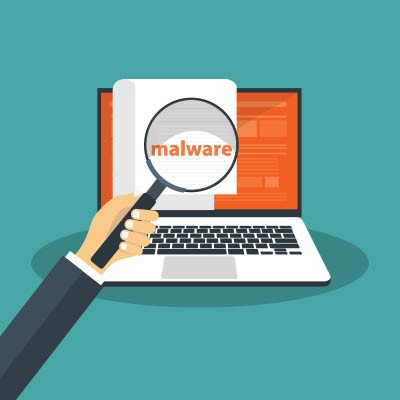
The threat landscape is filled with more types of malware than ever. To keep your business’ network running effectively, it’s important to have a strategy to keep malware out. Today, we’ll talk about a few basics you should know to keep your cybersecurity strategy working properly.
Tech Minutes
March 31, 2018 is World Backup Day. Data is a commodity, but unlike other commodities--it can be replicated without hurting its value. As a result, data backup has become a critical need for the modern business. World Backup Day has been created to remind people to protect their assets by backing up their files.
Data is the backbone of any modern business. Since your organization relies so much on it, you need to have measures put into place to ensure that your business can access it in some way, shape or form at all times. This is easier said than done, especially for a business on a budget. We’ll walk you through how you can implement a comprehensive data backup solution to protect your organization.
If we asked you how your organization backs up its data, would you be able to smile and tell us all about it in detail? While it’s important to be optimistic about the future of your organization, you should never believe that you are impervious to data loss. We’ll discuss some of the most important terminology behind data backup and recovery, as well as the best way to protect your organization from the crippling situations presented by data loss.
It’s no industry secret that one of the most important pieces of IT any business should have is a data backup solution. However, this is like saying that every business should have a plant: the type of plant, and (by extension) the type of data backup, matters. You want a data backup that is more like a peace lily or a cactus, hardy and resilient, and less like a basil plant or orchid, high-maintenance and requiring very specific conditions to prosper.
It should come as no surprise that the practice of business continuity planning is one that every business needs to undergo. This planning serves as essentially your only insurance against some form of data disaster or another. Consider your own business for a moment--could it survive a fire, a critical failure in part of your infrastructure, or theft? With a business continuity plan, there’s a chance it just might.
Whether you are suspicious or not, today seems like a good day to talk out what can happen if some bad luck interferes with your business. Disasters can come in all shapes and sizes, from a freak storm destroying your place of business and every IT component you had inside, to an employee whose path was crossed by a black cat accidentally spilling their coffee on their keyboard as they access some key data.
The protection of your business includes many facets. Physical security, training, and network security get most of the attention (and rightfully so), but does your business have a plan in place if those strategies fail? For the growing business, understanding that your data is an asset doesn’t have to come after you lose some. If your management team prides itself on taking proactive measures to keep business running smoothly, one element that has to be on the table is the practice of data backup and recovery.
By now, you’ve probably heard about the importance of business continuity and disaster recovery planning for small businesses. According to FEMA, more businesses have business continuity plans than ever before. With so many SMBs looking to secure their future, there are still a few aspects of business continuity planning that today’s business need to comprehend. After all, there is more to it than just data backup. Disaster recovery is something that needs to be planned, practiced and updated.
Today most companies utilize computers in the dissemination of their services. Whether you run an office that deploys dozens of computers and multiple servers, a busy restaurant with a full-scale point of sale system, or a contractor that only needs one computer with invoicing software, you depend on your data. Since most businesses also provide goods and services for many people that indirectly depend on it, having a plan to protect the business from potential devastation is important.
Nobody ever wants to admit that their business has a problem with security. Unfortunately, as the one responsible for the future of your organization, you have to consider all possible outcomes of any potential data loss incident. Furthermore, many of these incidents are beyond your control. Thankfully, you can soothe the pain of a data loss disaster by thinking ahead and planning for the worst.
Data backup. It’s something that all businesses need, but not all businesses know how to approach the implementation of it. This is largely due to the tendency to underestimate how disastrous data loss scenarios can be for their business. You know how it goes; it’s impossible, until it happens. Thankfully, you can significantly reduce the damage done by data loss incidents with a little bit of preventative, proactive thought and a comprehensive backup system.
Few organizations take business continuity planning as serious as financial organizations do. The Federal Reserve Bank (FRB) and Securities and Exchange Commission (SEC), as well as the organizations they oversee, depend heavily on technology for their daily operations. For these establishments, a severe data loss event or significant downtime has the potential to cripple the economy, depending on the severity. As such, they require all of the institutions that they have jurisdiction over to meet certain business continuity benchmarks.
When we talk about best practices, we are typically referring to the practices used by successful companies to garner the best results. A new study by Disaster Recovery has shown that, as backup and recovery solutions go, enterprises are providing some pretty disappointing results as many fail to continuously back up their data and it results in additional inherent risk.