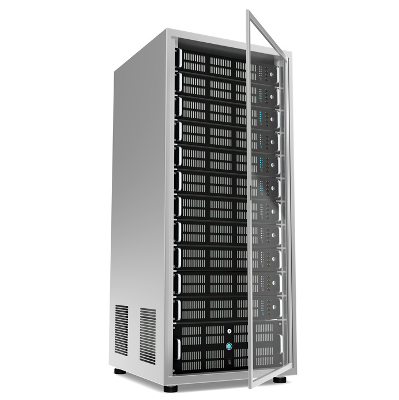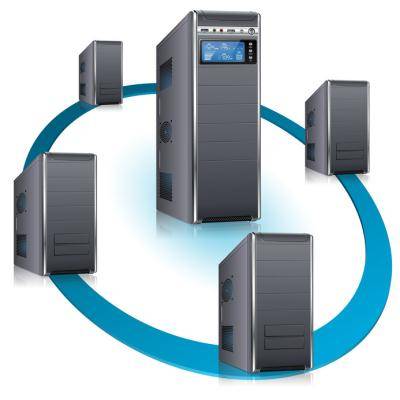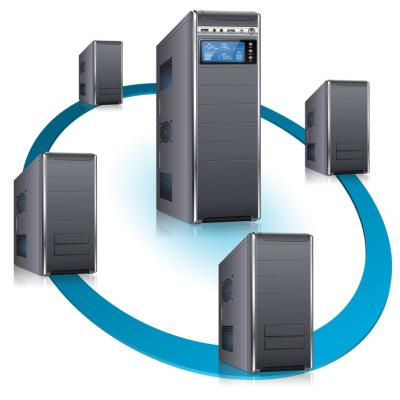





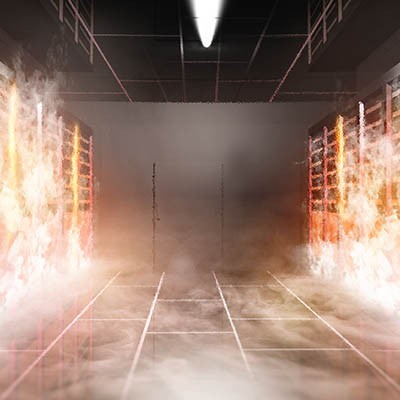
A server is a very important piece of the modern business’ technology infrastructure, and so it is important to understand what it is that could cause it to crash. Here, we’ll go over some of the most common crash causes to help you determine how to best take care of it.
Tech Minutes
There are plenty of technical terms and solutions that, while heard of frequently enough, it may not be completely clear what they mean or refer to. A proxy server is an excellent example of such a solution. This week, we’ll examine this tech term and review how utilizing proxy servers can help your business.
Regardless of where it is kept, your data’s security is of paramount importance. However, this doesn’t mean that the decision between leveraging the cloud or an on-premise server for your data storage needs isn’t an important one. For this week’s tip, we’ll weigh these options against each other to help you establish which is the better option for your business’ needs.
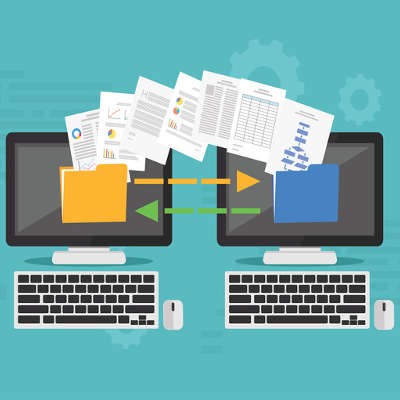
Data migration is a sizable task. There’s plenty that could go wrong as you move your data from one server to another solution. As you transfer your data, it helps to keep a few considerations in mind to ensure the process goes smoothly while getting the biggest benefit from the time it takes you.
If there’s an issue that everyone is hesitant to acknowledge, it is said that there is an elephant in the room. Many companies may find that today, these elephants live in their server rooms. We’ll acknowledge these elephants and talk about a few ways that you can evict them from your company’s IT.
Your server is an integral part of your IT setup, which means that it is all the more crucial that it is managed properly. As the central hub of your network, it connects all of the devices that you rely on to each other, allowing them to interact and communicate. Under proper server management practices, your server will be more able to accomplish this task.
In order to better understand how to properly approach server management, it helps to look at it not as an entire process, but to break it into its two parts.
Do you remember the day that you purchased your current workstation? Maybe it was last week, last month, last year, or several years ago. At one point, it was pristine, untouched by the demands of the workday, but those days have long since passed. Over time, your computer collects all sorts of stuff on it, from unnecessary files to outdated, unused software.
Which database management system is running on your company’s server units? For end users, it’s not something that they put a whole lot of thought into. However, if you completely overlook your Microsoft SQL Server, you may end up running an expired version that puts your data at risk. Case in point, SQL Server 2005, which Microsoft recently ended support for.
Halloween is a time to conjure up things that give people the creeps. Scary sounds are just one way to send shivers up the spine. Sounds like, howling werewolves, zombie groans, chainsaws, and bloodcurdling screams are enough to make you want to run and hide. Yet, there’s one sound that’s the most terrifying of them all, and it’s coming from your server room!
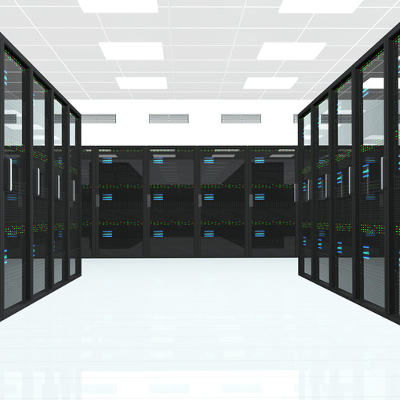
How messy is your server room? When was the last time you took note of how many machines you have, and what each of them are contributing to your business’s goals? If either of these situations sound familiar, it might be time to take a closer look at your technology and examine how you can improve operations. One of the best ways you can do so is by eliminating unnecessary costs from unused and underutilized servers.
If you host your own servers in-house, or in an off-site data center, you know all about the frustrations of keeping your hardware up to date and healthy. This also includes keeping your servers from overheating. These mission-critical pieces of hardware are known to produce incredulous amounts of heat, and keeping them cool only gets more challenging during hot, sticky summer months.
July 14th is an important date in the business technology world. Why? Because it’s a major landmark for users of Windows Server 2003. In just a few short months, Microsoft will no longer support this decade-old server operating system. Therefore, you must take steps to upgrade away from this server OS before it’s too late.
Most IT administrators see virtualization as a means of increasing efficiency, and they’re not wrong. Virtualization of your hardware is a great way of decreasing operating costs and improving accessibility to mission-critical applications and information. However, network virtualization has the potential to increase the security of your business’s data, too.
During the broadcast of Super Bowl XLIX, Coca-Cola premiered a bold new commercial meant to inspire viewers, make the world (wide web) a happier place, and of course, sell Coca-Cola. To be sure, it was a monumental marketing effort, but for those of us in IT, we find it cringeworthy and must object to the commercial’s content.
American healthcare organizations must store and exchange patient data in ways that comply with the HIPAA law, or else face hefty fines. One mental health service in Alaska recently learned this lesson the hard way after being hit with a $150,000 fine. Is your healthcare organization’s IT infrastructure 100 percent HIPAA compliant?
In today's technology world, a lot of businesses are opting to take advantage of virtualized servers. These offer various benefits, including the ability to consolidate your servers into a neat, controlled package. But according to a recent study by Symantec, virtual servers might not be as secure as once thought. In fact, they might not be any more secure than a physical server.
Everyone has heard horror stories about the spirits of the dead lingering in this world. Every culture on this planet has different beliefs about the nature of these spectral beings. Not much is known about these beings, but people still believe without a doubt that they exist. In regards to technology, ghosts do exist, in the form of ghost servers.
Due to the irreplaceable nature of data, server units may be your company's most important assets. Therefore, when it comes time to purchase a new server, you will want to make sure that your new unit will be exactly what your business needs. Getting a model that's too small or too powerful can be costly. Here's what to look for when purchasing a new server.
One IT problem that you may have heard about is server noise. A server unit is a noisy piece of equipment because it comes with multiple fans used to keep the machine cool. One big reason why servers are banished to their own room is because of all the noise they make. Here's what you can do to quiet your servers.
Your company's technology infrastructure is made up of several complex systems that all work together in order to keep your business running smoothly. Your IT infrastructure functions much in the same way as another type of infrastructure, your house. It's surprising how much you can learn about computer networking by looking at "This Old House."
When we last left our young office administrator, Chosimba, he was framed by his rival Scarn for leaking sensitive company information that led to the arrest and outing of Pride Inc.'s CEO. Scarn set up Chosimba because he was in line to run Pride Inc. We now find our hero hiding in Africa, attempting to avoid litigation--based on the advice of Scarn.
When it comes to computer memory, redundancy is a good thing. The more places that you have your data backed up to, the better off you will be if something happens to your hard drive. RAID is a common hard drive formatting procedure that improves server performance and protects your data in the event of a crash.
As your business grows, so does the need to expand your network. If your IT infrastructure is not meeting your company's growing needs, then shopping for a new server is in your future. Servers are highly configurable and customizable to meet the specific needs of your business. Here are 4 things to consider when shopping for a new server.
Servers have always been one of the more expensive yet crucial pieces of your IT infrastructure. A new development in servers is the microserver, which is a stripped down version of a server. The appeal is that they can be designed to handle one task efficiently, and therefore, use fewer resources while costing less to purchase and maintain.
The whole purpose of having a network infrastructure is to allow different users to access and share needed files and applications. With your data centralized to a server, you will need to have a system in place that allows certain people up-to-date permissions to access needed files from every computer. This is where Active Directory comes in.
Thanks to the cloud computing, there's a lot of chatter these days about doing your work remotely. The idea of accessing your data from anywhere on any device is an exciting prospect, but it is not a new one. Windows Terminal Services (renamed Remote Desktop Services in Windows Server 2008 R2) has had this ability for many years, and it is still a great remote service option for your network.